

Introduction
Insulation has played an important role in residential, commercial, and industrial construction for decades. It helps regulate indoor temperatures, reduce energy consumption, limit noise, and improve building comfort. However, some older insulation materials contain substances that are now recognized as serious health hazards. One of the most widely discussed materials in this category is asbestos, which was historically used because of its heat resistance, durability, and insulating properties. Understanding asbestos insulation is particularly important for people living in older buildings, renovating properties, maintaining industrial facilities, or working in the construction industry.
Although asbestos was once considered a valuable building material, its health risks have changed how governments, construction professionals, and property owners approach insulation. Exposure to airborne asbestos fibers can cause severe diseases, including lung cancer and mesothelioma. These illnesses may take many years to develop, which makes awareness and prevention especially important. Learning about the history, potential locations, warning signs, and safety requirements associated with asbestos can help individuals make informed decisions without unnecessarily disturbing potentially hazardous materials.
1. What Is Asbestos Insulation?
Asbestos insulation refers to insulating products that contain asbestos fibers, a group of naturally occurring minerals that were widely used in construction and manufacturing. These minerals were valued for their ability to resist heat, fire, chemical damage, and wear. Manufacturers incorporated asbestos into different materials to improve their performance under challenging environmental conditions, particularly where high temperatures were common. As a result, asbestos-containing insulation was found in numerous buildings, industrial facilities, factories, and heating systems.
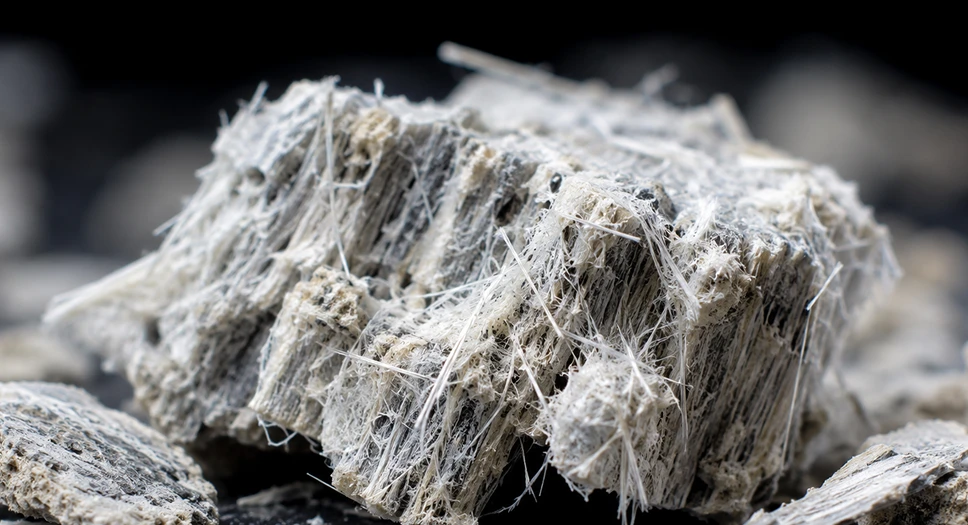
The material was manufactured in different forms, including loose-fill products, boards, blankets, cement-based materials, pipe coverings, and spray-applied coatings. Some products were designed to protect boilers, pipes, furnaces, and other equipment, while others were used in walls, ceilings, floors, and structural spaces. Its appearance can vary considerably, depending on its age, manufacturer, composition, and purpose. It may look fibrous, powdery, dense, rough, or covered with an outer protective layer. Because many modern materials look similar, appearance alone cannot reliably establish whether a material contains asbestos.
2. The History of Asbestos in Construction
Asbestos became especially popular during the nineteenth and twentieth centuries as industrial development increased the demand for durable materials capable of withstanding high temperatures. Construction companies, manufacturers, shipbuilders, and industrial businesses used asbestos-containing products because they offered a combination of thermal protection, strength, and relatively low manufacturing cost. During periods when its health dangers were less understood, the material was promoted as a practical solution for numerous insulation and fireproofing applications.
Its use expanded significantly during the twentieth century, particularly in buildings constructed before asbestos restrictions became widespread. Homes, schools, offices, factories, warehouses, and public infrastructure could contain asbestos-based products in different locations. Insulation was often installed behind walls, around heating systems, beneath floors, or above ceilings, making it difficult to identify without specialized inspection.
Over time, scientific research established a strong connection between asbestos exposure and serious respiratory diseases. Public health organizations, governments, and regulatory authorities introduced restrictions, warnings, and workplace safety requirements. Many countries gradually limited or prohibited specific asbestos products, although rules differ depending on the location. Consequently, older buildings may still contain asbestos materials despite modern construction standards no longer permitting many historical applications.
3. Why Asbestos Was Used for Insulation
One of the main reasons asbestos became popular was its resistance to high temperatures. Traditional insulating materials can degrade when exposed to extreme heat, but asbestos fibers were capable of withstanding demanding thermal conditions. This made asbestos-containing products attractive for boilers, steam pipes, industrial machinery, furnaces, and other equipment that operated at elevated temperatures.
Another advantage was its ability to resist fire and certain forms of chemical damage. Manufacturers used it in materials designed to reduce heat transfer and protect surrounding structures. Its fibrous characteristics also allowed it to be incorporated into various product types, giving manufacturers flexibility in producing insulation materials for different environments.
Cost and availability contributed to its popularity as well. During periods of extensive industrial growth, companies looked for products that could provide dependable performance without requiring expensive alternatives. Asbestos-based materials were used extensively before their health risks became fully recognized.
However, the qualities that made these products useful did not eliminate their dangers. Their ability to remain in buildings for many years means that older installations can still present concerns when damaged, deteriorated, or disturbed during maintenance and renovation activities.
4. Common Places Where Asbestos May Be Found
Common areas where asbestos-containing materials may historically have been used include:
-
Heating pipes and pipe joints
-
Boilers and furnace components
-
Ductwork and heating equipment
-
Ceiling tiles and certain textured coatings
-
Wall panels and construction boards
-
Floor tiles and adhesive materials
-
Roofing and cement-based building products
-
Industrial equipment and fireproofing systems
Not every old insulation product contains asbestos. Some products manufactured during the same period used other materials, including mineral wool, fiberglass, cellulose, or different types of foam. This is why property owners should not make assumptions based on age or appearance alone. If a material is suspected of containing asbestos, the safest approach is to leave it undisturbed and arrange an assessment by a qualified professional.
5. Understanding the Health Risks
The main health concern associated with asbestos is the inhalation of microscopic fibers. When asbestos-containing material is damaged or disturbed, fibers may become airborne and enter the respiratory system. These fibers are extremely small and may remain in the air or settle on surfaces before becoming airborne again through later disturbance.
Exposure can be associated with several serious diseases, including asbestosis, lung cancer, and mesothelioma. Asbestosis is a chronic lung condition involving scarring of lung tissue, which may cause breathing difficulties and reduced lung function. Lung cancer is another serious disease associated with asbestos exposure. Mesothelioma is a rare but aggressive cancer affecting the lining of the lungs or other body cavities and is strongly associated with asbestos exposure.
Health effects may not appear immediately. Some asbestos-related diseases develop decades after exposure, which means people who encountered asbestos in the past may experience health consequences much later. Risk depends on various factors, including the type of fibers, amount of exposure, duration, and individual circumstances. Smoking can significantly increase lung cancer risk among people exposed to asbestos.
Understanding these health risks highlights why prevention, professional evaluation, and appropriate safety procedures are important.
6. How to Recognize Potential Asbestos-Containing Materials
Identifying asbestos-containing materials can be challenging because they do not always have distinctive visual features. Some may resemble ordinary insulation, cement boards, plaster, ceiling panels, or other construction products. Materials containing asbestos can also have different colors, textures, and appearances depending on how they were manufactured and installed. A product that appears clean and intact cannot automatically be considered asbestos-free.
Building age can provide useful background information, especially when researching properties constructed or renovated during periods when asbestos products were commonly used. Maintenance records, construction documents, previous inspection reports, and renovation history may provide clues about the materials installed. However, these records are not always available or complete.
The most reliable way to determine whether a suspect material contains asbestos is through appropriate professional assessment and, where necessary, laboratory analysis conducted by qualified personnel. Property owners should avoid breaking, scraping, cutting, drilling, or collecting samples themselves because these actions may release fibers. If an unknown material is encountered during construction or renovation, work should stop in the affected area until the material has been properly evaluated. This cautious approach helps protect workers, occupants, and other people who may otherwise be exposed.
7. Friable and Non-Friable Asbestos Materials

Asbestos-containing materials are often discussed in terms of whether they are friable or non-friable. Friable materials are generally those that can be easily crumbled, pulverized, or reduced to powder by hand pressure when dry. These materials may release fibers more readily if damaged or disturbed. Some older insulation products, particularly certain loose-fill or deteriorated thermal insulation materials, can fall into this category.
Non-friable materials are generally more firmly bound within a solid product, such as some cement-based construction materials or certain floor products. Their structure may reduce the likelihood of fiber release under normal conditions. However, they can still become hazardous if subjected to activities such as cutting, grinding, sanding, breaking, or other damaging work.
The distinction is important for understanding potential exposure, but it should never be used to assume that a material is completely safe. The condition of the material, the environment, the proposed work, and the applicable regulations all matter. Even materials that appear stable may require professional management when maintenance, demolition, or renovation is planned. Qualified asbestos professionals can assess the condition and determine appropriate control measures.
8. What Happens When Asbestos Materials Are Damaged?
Damage to asbestos-containing materials may increase the chance of airborne fiber release. Cracks, water damage, aging, vibration, impact, and improper maintenance can affect the condition of materials. Construction activities can also disturb previously hidden products, especially when workers remove ceilings, open walls, modify heating systems, or undertake major building renovations.
When materials become damaged, fibers may spread into surrounding areas depending on the nature of the disturbance and environmental conditions. Contamination can affect nearby surfaces, equipment, furnishings, and spaces where people work or live. A damaged material may also continue releasing fibers if the underlying cause is not addressed.
People should avoid touching or attempting to repair suspicious damaged materials. They should not sweep debris, use ordinary vacuum cleaners, or attempt to clean potentially contaminated areas themselves. These activities may redistribute particles or increase airborne exposure. Instead, the area should be kept away from unnecessary activity, and qualified professionals should be contacted for assessment and appropriate response. In buildings where occupants may be exposed, responsible property managers should communicate concerns clearly and follow applicable safety requirements.
9. Asbestos Insulation in Older Residential Buildings
Older homes may contain asbestos-related materials in areas that are not immediately visible. Historical construction practices sometimes included insulating heating systems, protecting structural components, or improving fire resistance with products containing asbestos. Homeowners may encounter suspected materials when replacing heating equipment, repairing plumbing, renovating kitchens, upgrading bathrooms, or remodeling rooms.
The presence of asbestos does not automatically mean a home is unsafe to occupy. Risk depends on whether materials are present, their condition, whether fibers are being released, and the likelihood of disturbance. A stable, undamaged material that is appropriately managed may present a different level of concern from a deteriorating product in an active renovation area.
Before beginning renovation work in an older home, property owners should consider a professional asbestos assessment where historical materials may be present. This is particularly important before demolition, drilling, removal of flooring, or work involving heating and plumbing systems. A planned inspection can identify potential hazards early, helping homeowners avoid unexpected exposure, project delays, and additional costs. Taking preventive steps before work begins is generally safer and more practical than reacting after materials have been disturbed.
10. Asbestos in Commercial and Industrial Facilities
Commercial and industrial facilities historically used asbestos-containing materials in applications that required heat protection, fire resistance, or insulation around complex equipment. Factories, power facilities, warehouses, workshops, shipyards, and manufacturing plants may have older components that require careful assessment. Heating systems, machinery, pipe networks, structural fireproofing, and equipment enclosures are among the areas where asbestos-containing products may have been installed.
Industrial environments can create additional concerns because equipment may experience vibration, temperature changes, frequent maintenance, and mechanical wear. These conditions can contribute to deterioration over time. Maintenance workers, contractors, electricians, plumbers, engineers, and renovation teams may face exposure risks if suspect materials are disturbed without proper evaluation.
Businesses should maintain records of asbestos inspections, assessments, and management decisions where applicable. An organized management plan can help identify affected areas, communicate hazards to employees and contractors, and ensure that maintenance activities are planned appropriately. Facilities should also follow relevant occupational safety requirements and engage qualified specialists when asbestos-related work is necessary. A proactive approach supports workplace safety and helps businesses manage older buildings responsibly.
11. Safe Management of Asbestos-Containing Materials
Managing asbestos-containing materials involves understanding their location, condition, and potential for disturbance. In some situations, leaving a stable material undisturbed may be an appropriate management decision under professional guidance and local regulations. This is because unnecessary removal may create additional exposure risks if the work is not performed correctly.
Property owners and managers should ensure that known or suspected materials are documented, monitored where required, and protected from accidental damage. Employees, contractors, and maintenance personnel should receive information about the locations of relevant materials before carrying out work. Clear records and communication can prevent accidental drilling, cutting, or other activities that could disturb hazardous products.
Professional assessment helps determine whether a material requires monitoring, protective measures, repair, containment, or removal. The appropriate approach depends on its condition, location, accessibility, and the planned use of the building. Safety decisions should not be based solely on cost or convenience. Qualified specialists can evaluate the situation and recommend suitable management measures in accordance with applicable regulations and safety standards.
12. Professional Inspection and Testing
Professional inspection is an important part of managing potential asbestos hazards. Trained inspectors understand the types of materials that may contain asbestos, the locations where they were historically used, and the precautions necessary during an assessment. They can examine the building, review its construction history, document suspect materials, and advise whether further investigation is needed.
Where testing is required, sampling should be conducted by appropriately qualified personnel using suitable procedures designed to minimize the release of fibers. Samples are then analyzed by a laboratory with appropriate expertise. The results can help determine whether asbestos is present and support decisions about the material’s management.
An inspection report may include information about suspected materials, their condition, location, accessibility, and recommendations for future management. For renovation projects, an asbestos assessment may help identify hazards before construction begins. Building owners should confirm that inspection and testing procedures comply with the requirements applicable in their region. Choosing qualified professionals rather than relying on informal visual checks helps improve the reliability of the assessment and reduces the likelihood of unnecessary disturbance.
13. Removal, Repair, and Remediation Considerations
When asbestos-containing materials require removal or remediation, the work should be handled by appropriately trained and authorized professionals in accordance with local laws. The process may involve planning, access restrictions, suitable containment, protective equipment, controlled work procedures, waste handling, and verification that the work area meets the applicable requirements.
Removal is not always the best option for every situation. Some materials may be managed safely in place under a suitable management plan, while others may require repair, containment, or removal because of deterioration or planned construction. The decision should be based on a professional assessment rather than a general assumption that every asbestos-containing material must immediately be removed.
During renovation or demolition, project teams should identify potential asbestos hazards before work begins. Contractors should understand the scope of the assessment, relevant restrictions, and procedures for responding if previously unidentified materials are discovered. If suspected asbestos is unexpectedly encountered, work should stop in the affected area and the concern should be referred to qualified professionals. Proper planning helps reduce risks to workers, occupants, neighbors, and the wider environment.
14. Environmental Concerns and Waste Disposal
Asbestos-related waste requires careful handling because improperly managed materials can release fibers into the environment. Waste generated during professional remediation may include insulation debris, contaminated protective materials, packaging, or other affected items. These materials should not be treated as ordinary household or construction waste when asbestos is suspected or confirmed.
Waste disposal requirements vary between countries and regions. Depending on local regulations, materials may need specialized packaging, labeling, transportation, documentation, and disposal at approved facilities. Property owners and contractors should ensure that waste management arrangements are established before remediation work begins.
Improper dumping, uncontrolled transport, or careless handling may create risks for waste workers, nearby communities, and the environment. Professional service providers should understand the requirements for managing asbestos-related waste and maintain appropriate records when required. Responsible disposal is an essential part of protecting people beyond the immediate building where the material was originally installed. It also supports environmental protection and helps prevent hazardous materials from entering ordinary waste streams.
15. How Property Owners Can Reduce Exposure Risks
Property owners can take several practical steps to reduce the chance of accidental exposure to asbestos-related hazards. The most important step is avoiding unnecessary disturbance of suspect materials. Renovation plans should be reviewed before work begins, particularly in older properties where historical construction materials may be present.
Useful preventive practices include:
-
Arrange professional assessments when older building materials are suspected.
-
Inform contractors about known or suspected asbestos-containing materials.
-
Avoid disturbing unknown insulation, coatings, panels, or construction debris.
-
Maintain records of inspections and management decisions.
-
Follow professional advice and local safety requirements.
-
Restrict access to affected areas when recommended by qualified specialists.
These measures can help reduce the likelihood of exposure while making building maintenance more organized. Property owners should also ensure that tenants, workers, and contractors receive relevant information before accessing areas where asbestos-related concerns have been identified. Prevention is generally easier than dealing with contamination after a material has been disturbed. A responsible approach protects occupants while helping preserve the building’s condition and supporting safer renovation practices.
16. Modern Alternatives to Asbestos-Based Insulation
Today, construction and industrial industries use many alternative materials for thermal insulation, fire protection, and sound control. Fiberglass, mineral wool, cellulose, calcium silicate, and various modern insulation products are among the materials used for different applications. Each product has its own characteristics, installation requirements, performance ratings, and suitability for particular environments.
Modern insulation selection usually considers thermal performance, fire behavior, moisture resistance, environmental impact, durability, cost, and installation requirements. Building owners and designers must choose materials appropriate for the intended application and follow the manufacturer’s instructions. In industrial environments, the selection may also depend on operating temperatures, mechanical conditions, and specialized engineering requirements.
The availability of modern alternatives has reduced the need for many historical asbestos applications. However, replacement materials should still be installed and maintained correctly. Some insulation products can create other forms of dust or irritation during installation, so appropriate workplace precautions remain important. The goal of modern building design is to improve energy efficiency and safety while selecting materials that meet current building standards and environmental expectations.
17. Frequently Asked Questions
Can asbestos be identified by looking at it?
No. Asbestos-containing materials may resemble other construction materials, and their appearance can vary widely. Visual inspection alone cannot confirm the presence or absence of asbestos. Professional assessment and laboratory testing, where appropriate, provide more reliable information.
Is asbestos dangerous if it is not disturbed?
Materials that are intact and properly managed may present a lower exposure risk than damaged or disturbed materials. However, their condition can change over time. Professional assessment and appropriate monitoring or management are important, especially before maintenance or renovation.
Should old insulation always be removed?
No. Immediate removal is not necessarily appropriate in every situation. Depending on the condition and location of the material, professional management in place may be an option. Removal or remediation may be necessary when materials are damaged, deteriorating, or affected by planned construction work.
Can asbestos-related diseases develop years later?
Yes. Some asbestos-related diseases have long latency periods, meaning symptoms may appear many years after exposure. Anyone concerned about past occupational or environmental exposure should discuss their history and concerns with a qualified healthcare professional.
What should someone do if suspicious insulation is discovered?
Avoid touching, cutting, scraping, drilling, or attempting to remove the material. Keep people away from the affected area if appropriate, and contact a qualified asbestos professional for assessment. If the material has been disturbed, avoid cleaning it yourself and seek professional advice about the appropriate response.
Is asbestos still used in modern buildings?
The use of asbestos is prohibited or restricted in many jurisdictions, but regulations differ worldwide. Older buildings may still contain asbestos-related products, and some regions have different legal requirements. Property owners should check the applicable local rules and obtain professional guidance when dealing with older construction materials.
Conclusion
Asbestos was once widely valued for its heat resistance, durability, fire protection, and insulating capabilities. However, scientific understanding of its health risks has changed the way building materials are selected, installed, maintained, and removed. Older homes, commercial properties, factories, and industrial facilities may still contain asbestos-related products, making awareness an important part of building safety.
Understanding where these materials may be found, why they can become hazardous, and how exposure can occur helps property owners and workers make responsible decisions. Visual identification is unreliable, and disturbing suspicious materials without proper precautions can create unnecessary risks. Professional inspection, appropriate management, regulated remediation, and responsible waste disposal are essential considerations.
Ultimately, the safest approach is to prioritize prevention, avoid disturbing unknown materials, seek qualified advice, and follow applicable regulations. With informed planning and professional support, people can better protect their health, maintain older buildings responsibly, and create safer environments for future generations.