

Introduction
Asbestos is a naturally occurring mineral that was widely used in construction, manufacturing, insulation, and various industrial applications because of its durability, heat resistance, and insulating properties. Although it was once considered a valuable building material, asbestos is now recognized as a serious health hazard when its microscopic fibers become airborne and are inhaled. Many older buildings, homes, offices, and industrial structures may still contain asbestos-containing materials, making awareness and proper identification important for property owners, occupants, and renovation professionals.
Understanding how to test for asbestos is especially important when planning renovations, repairing damaged building materials, purchasing an older property, or investigating suspicious insulation, ceiling panels, flooring, roofing, or wall coverings. However, asbestos cannot be reliably identified by appearance alone. Materials that look similar may contain asbestos or may be completely asbestos-free. Proper testing requires careful assessment and, in most situations, laboratory analysis conducted by qualified professionals. Knowing the safest approach can help prevent unnecessary exposure and support informed decisions about maintenance, renovation, and removal.
1. What Is Asbestos and Why Is It Dangerous?
Asbestos is a group of naturally occurring silicate minerals made up of thin, fibrous structures. These fibers are extremely small, strong, resistant to heat, and capable of withstanding many chemical and environmental conditions. Because of these characteristics, asbestos was used in insulation, cement products, fireproofing materials, pipe coverings, roofing sheets, floor tiles, wall materials, and other building components. Its widespread use during the twentieth century means it may still be present in older structures, even where modern construction practices no longer use it.
The main danger associated with asbestos occurs when materials containing it are damaged, disturbed, drilled, cut, broken, sanded, or improperly removed. Microscopic fibers may become airborne and enter the lungs when inhaled. Exposure can increase the risk of serious diseases, including asbestosis, lung cancer, and mesothelioma. These illnesses may develop many years after exposure. Therefore, asbestos should not be treated as an ordinary dust or construction material. Preventing fiber release and avoiding unnecessary disturbance are essential precautions.
2. Where Asbestos May Be Found in Older Buildings
Asbestos may be present in many building materials, particularly in structures constructed or renovated during periods when asbestos use was common. Some materials were designed to contain asbestos for insulation or fire protection, while others incorporated it to improve strength, durability, or resistance to heat. The presence of asbestos depends on the building’s age, location, construction history, and materials used.
Common locations that may contain asbestos include pipe insulation, boiler insulation, cement roofing sheets, older ceiling panels, textured wall coatings, vinyl floor tiles, flooring adhesives, insulation boards, and certain fire-resistant products. It may also be found around heating systems, electrical equipment, ducts, and older industrial machinery. Not every old building contains asbestos, and not every material in an older building is hazardous. However, if the construction date and material history are uncertain, it is safer to treat suspicious materials as potentially asbestos-containing until they have been professionally assessed.
3. How to Recognize Materials That May Contain Asbestos
Recognizing materials that may contain asbestos is the first step toward preventing accidental exposure. Some products may appear fibrous, powdery, cement-like, textured, or layered, but asbestos-containing materials can also look ordinary. Their appearance may resemble modern products made without asbestos, which makes visual identification unreliable. Even experienced property owners cannot confidently determine whether a particular material contains asbestos simply by examining its color, texture, or shape.
Older insulation around pipes and boilers, corrugated cement roofing sheets, rigid insulation boards, and certain decorative coatings deserve particular attention when their composition is unknown. Damaged, deteriorating, or crumbling materials may present greater concern because disturbance can release fibers. If you suspect a material could contain asbestos, avoid touching it, scraping it, or collecting a sample. Instead, restrict access to the area when practical and arrange an assessment by a qualified asbestos professional who can determine whether testing is necessary.
4. How to Test for Asbestos Safely
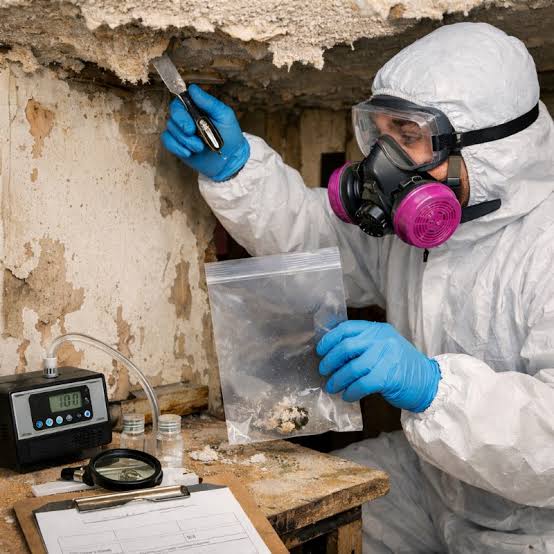
The safest way to determine whether a material contains asbestos is through professional inspection and laboratory analysis. A qualified asbestos inspector evaluates the building, identifies suspect materials, considers their condition, and determines whether sampling is appropriate. If testing is needed, the inspector uses suitable procedures to collect samples while minimizing the potential release of fibers. The sample is then sent to a laboratory capable of analyzing asbestos content using recognized testing methods.
When researching how to test for asbestos, it is important to understand that testing is not simply a matter of collecting dust or placing a piece of material into a container. Improper sampling can contaminate the surrounding environment and expose the person collecting the sample or others nearby. Professional testing can also help distinguish between different materials, determine whether asbestos is present, and provide documentation that may be useful for renovation planning, property management, or safety decisions.
5. Why DIY Asbestos Testing Is Not Recommended
DIY asbestos testing may appear convenient or inexpensive, particularly when homeowners want to investigate an older building before renovation. However, collecting samples without proper training can create a serious exposure risk. Breaking, scraping, cutting, drilling, or disturbing suspected asbestos-containing materials can release microscopic fibers that may remain suspended in the air or settle on surfaces. Ordinary household cleaning methods may not effectively remove asbestos contamination.
Homeowners should avoid collecting samples themselves unless they are specifically trained, legally authorized, and equipped to follow appropriate asbestos sampling procedures. Even a small sample can create contamination if the material is disturbed incorrectly. Hiring a qualified professional reduces the likelihood of accidental fiber release and provides a more reliable assessment. The cost of professional inspection is generally a sensible precaution when compared with the potential health and cleanup consequences of improper sampling.
6. Professional Asbestos Inspection and Sampling
A professional asbestos inspection typically begins with an examination of the property, its construction history, and the materials that may contain asbestos. The inspector may review renovation records, building plans, maintenance documents, and information about previous repairs. They also assess the condition of suspected materials, noting whether they are intact, damaged, deteriorating, or likely to be disturbed during planned work.
If laboratory testing is necessary, the inspector determines which materials should be sampled and how sampling can be performed safely. Multiple samples may be needed when materials differ in appearance, composition, location, or installation history. After collection, samples are appropriately packaged and submitted to a laboratory. The inspector may subsequently provide a written report explaining the results, the locations examined, and recommendations for management, repair, containment, or removal. A professional inspection is especially valuable before demolition, remodeling, or major building maintenance.
7. Understanding Laboratory Asbestos Testing Methods
Laboratories use specialized analytical techniques to identify asbestos fibers in building materials. The appropriate method depends on the sample type, the laboratory’s capabilities, the testing requirements, and the suspected asbestos concentration. These techniques allow trained analysts to examine materials at a microscopic level rather than relying on visible characteristics.
Common laboratory techniques include:
-
Polarized Light Microscopy (PLM): A commonly used method for analyzing bulk building materials and identifying asbestos minerals through their optical characteristics.
-
Phase Contrast Microscopy (PCM): Primarily used for counting fibers in air samples. It is useful for monitoring airborne fiber concentrations but cannot reliably distinguish asbestos from every other fiber.
-
Transmission Electron Microscopy (TEM): A highly specialized technique that can identify very fine fibers and is often used for detailed airborne fiber analysis or certain complex testing requirements.
-
Other specialized analytical techniques: Depending on the sample, laboratories may use additional mineralogical methods to support identification and characterization.
The laboratory should use a method appropriate for the material being analyzed. A reliable report should identify the testing method, sample information, analytical findings, and any limitations. Results should be interpreted by qualified professionals who understand the building context and applicable regulations.
8. How to Test for Asbestos in Different Building Materials
Different construction materials require different assessment approaches. Insulation around heating pipes, boilers, and ducts may be particularly concerning when it is old, damaged, or deteriorating. Cement roofing sheets and exterior panels may contain asbestos in some older installations, while certain vinyl flooring products and adhesives may also require investigation. Wall coatings, ceiling materials, insulation boards, and fireproofing products are other potential sources.
The testing process should not be based on the assumption that every material in the same room has identical composition. Materials installed during different periods or sourced from different manufacturers may have different ingredients. An inspector may recommend separate testing for distinct material types or locations. When planning a renovation, it is important to identify materials that could be disturbed by the work rather than testing only the most visible surfaces. A thorough assessment helps prevent unexpected discoveries during construction.
9. How to Test for Asbestos Before Renovation
Renovation and demolition projects can increase the risk of asbestos exposure because they often involve activities that disturb building materials. Drilling walls, removing ceilings, replacing pipes, sanding flooring, breaking roofing sheets, and demolishing partitions may affect materials that were previously intact. Therefore, an asbestos assessment should ideally be completed before contractors begin work on an older property.
Before renovation, property owners should review the building’s age and construction records, identify areas where work is planned, and arrange a professional inspection if asbestos may be present. Contractors should be informed about suspected asbestos-containing materials before beginning. If testing confirms asbestos, the project plan may need to change to avoid disturbance, incorporate specialized containment procedures, or arrange removal by qualified personnel. Early testing and planning can help prevent work stoppages, contamination, unnecessary costs, and health risks.
10. What an Asbestos Test Report Usually Includes
An asbestos testing report provides information about the samples collected, the materials examined, and the laboratory findings. Depending on the inspection, the report may include building location details, sample identification numbers, material descriptions, sampling locations, laboratory methods, and the presence or absence of asbestos in the submitted samples. Some reports also include photographs, observations about material condition, and recommendations for next steps.
A positive result means asbestos was identified in the tested sample. It does not automatically mean the entire building is unsafe or that immediate removal is required. The risk depends on the material’s condition, location, accessibility, and likelihood of disturbance. Conversely, a negative result applies to the sample analyzed and should not automatically be interpreted as proof that all similar materials throughout the property are asbestos-free. The scope of sampling and the representativeness of the samples are important when interpreting the findings.
11. What to Do If Asbestos Is Found
If testing confirms asbestos, the first step is to remain calm and avoid disturbing the material. Asbestos-containing materials that are intact, stable, and unlikely to be disturbed may sometimes be managed in place rather than removed immediately. In some situations, leaving the material undisturbed under an appropriate management plan may be safer than attempting removal.
The next step is to consult a qualified asbestos professional who can evaluate the material and recommend suitable measures. Depending on the circumstances, options may include monitoring its condition, restricting access, specialized encapsulation, enclosure, or controlled removal. The correct approach depends on the material type, condition, location, and local safety requirements. Property owners should not attempt to repair damaged asbestos insulation, remove contaminated flooring, or clean asbestos debris using ordinary household equipment. Professional advice can help ensure that any response is appropriate and legally compliant.
12. Safety Precautions When Suspecting Asbestos
When asbestos is suspected, prevention is more important than attempting to identify it through physical contact. Avoid activities that could disturb the material, including drilling, cutting, sanding, scraping, breaking, or using power tools nearby. Do not sweep debris or use an ordinary household vacuum cleaner on suspected asbestos contamination, as these activities may spread fibers into the air.
If a material is damaged or debris is suspected, keep people and pets away from the affected area as much as reasonably possible. Avoid touching or moving the debris, and seek advice from a qualified asbestos professional regarding safe assessment and cleanup. Workers should be informed about the suspected material before maintenance or renovation begins. These precautions help reduce the possibility of airborne fiber exposure while arrangements are made for appropriate inspection and testing.
13. Choosing a Reliable Asbestos Testing Professional
Selecting a qualified testing professional is an important part of obtaining reliable results. Property owners should look for inspectors with appropriate training, experience, and credentials recognized under applicable local regulations. They should also confirm that the laboratory performing the analysis has suitable accreditation or recognized competence for asbestos testing.
Before hiring a professional, ask about the inspection process, sampling procedures, laboratory methods, expected turnaround time, written reporting, and recommendations following positive results. A reputable provider should explain the scope and limitations of the inspection clearly. They should also distinguish between testing, asbestos management, remediation, and removal, because these services involve different responsibilities. Comparing qualifications and service details can help property owners select a professional who prioritizes safety and accurate reporting instead of offering unsupported assurances.
14. Common Mistakes to Avoid During Asbestos Testing
People investigating asbestos sometimes make mistakes that increase the chance of exposure. One common error is assuming that asbestos can be identified by its appearance. Another is disturbing suspicious materials to collect a sample without understanding the potential consequences. These actions can release fibers and create contamination that was previously limited to a small area.
Other mistakes include relying on unverified online identification guides, using ordinary cleaning tools on suspected asbestos debris, overlooking materials hidden behind walls or ceilings, and assuming that a negative result from one sample covers an entire building. Property owners may also begin renovations before completing the necessary assessment. A safer approach is to use qualified professionals, maintain clear records, communicate with contractors, and follow local regulations for inspection, testing, management, and removal.
15. How to Test for Asbestos in a Commercial Property
Commercial properties may require more extensive asbestos assessments than residential buildings because they can contain larger quantities of insulation, fireproofing, ceiling materials, mechanical systems, and older construction products. Offices, factories, warehouses, schools, hotels, and public facilities may have undergone several renovation phases, meaning materials from different construction periods can coexist.
Building owners and facility managers should maintain records of asbestos inspections, laboratory results, material locations, condition assessments, and any management or remediation activities. When contractors are scheduled to work, these records should be reviewed to determine whether asbestos-containing materials may be affected. A professional asbestos survey can help identify areas requiring special precautions before maintenance or construction begins. Regular inspections of known asbestos-containing materials may also help identify deterioration before it creates a greater concern.
16. Is Asbestos Testing Necessary for Every Older Building?
Testing is not necessarily required for every material in every older building. The need for testing depends on the building’s age, renovation history, materials present, condition, and the likelihood that they will be disturbed. If a building is undergoing renovation or demolition, identifying asbestos-containing materials that could be affected by the work is particularly important.
Property owners may choose to arrange an inspection even when no renovation is planned, especially if suspicious materials are damaged or their condition is uncertain. If materials are intact and unlikely to be disturbed, a professional may recommend management and periodic monitoring rather than immediate sampling or removal. The most appropriate decision should be based on a professional assessment, applicable regulations, and the specific circumstances of the property rather than assumptions about age alone.
17. Frequently Asked Questions
Can asbestos be identified by looking at it?
No. Asbestos fibers are microscopic, and asbestos-containing materials can resemble products that do not contain asbestos. Color, texture, shape, and age cannot reliably confirm asbestos content. Laboratory analysis of an appropriately collected sample is the dependable way to determine whether a material contains asbestos.
How long does asbestos testing take?
The inspection and sampling process may take a few hours or longer, depending on the building’s size and the number of materials that need assessment. Laboratory turnaround times vary according to the testing method, laboratory workload, sample complexity, and service requested. The inspector or laboratory can provide an estimated timeframe.
Is asbestos testing expensive?
The cost depends on the property size, number of samples, inspection complexity, laboratory fees, location, and whether a written survey or additional services are required. A small inspection may cost less than a comprehensive assessment of a commercial building. It is helpful to obtain quotations that clearly explain what is included.
Is asbestos dangerous if it is not disturbed?
Asbestos-containing material that is intact and in good condition may pose a lower risk than damaged or disturbed material because fibers are less likely to become airborne. However, its condition can change over time. A professional assessment can determine whether it should be monitored, enclosed, repaired, or removed.
Can I remove asbestos myself after a positive test?
DIY removal is not recommended. Asbestos removal may be regulated and can require specialized training, protective equipment, containment, waste handling, and disposal procedures. Improper removal can spread contamination and expose occupants or workers. Qualified asbestos professionals should determine and carry out the appropriate work.
What should I do if I accidentally disturb suspected asbestos?
Stop the activity immediately, avoid further disturbance, keep people and pets away from the affected area, and do not sweep, vacuum, or clean the debris yourself. Contact a qualified asbestos professional for guidance on assessment and cleanup. If you believe you have been exposed, a healthcare professional can discuss your concerns and provide appropriate advice.
Conclusion
Asbestos remains an important building safety concern because it can exist in older homes, workplaces, commercial buildings, and industrial structures. Although asbestos-containing materials may remain relatively stable when intact, damaging or disturbing them can release microscopic fibers that create serious health risks. Recognizing suspicious materials and taking appropriate precautions are essential for protecting occupants, workers, and property owners.
Learning how to test for asbestos helps people make better decisions before renovation, demolition, repair, or maintenance work. However, visual inspection alone cannot confirm asbestos, and DIY sampling may create unnecessary exposure. Professional inspection, appropriate laboratory analysis, accurate reporting, and responsible management provide a safer and more dependable way to identify asbestos. By avoiding disturbance, seeking qualified advice, and following relevant safety regulations, individuals can reduce risks and make informed decisions about their buildings.