

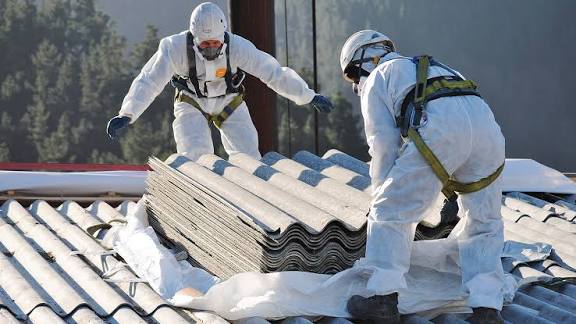
When Was Asbestos Banned?
Asbestos is a naturally occurring mineral that was widely used for decades in construction, manufacturing, insulation, automotive products, and industrial equipment. Its popularity came from its resistance to heat, fire, chemicals, and electricity, along with its affordability and durability. However, as medical research developed, scientists discovered that exposure to asbestos fibers could cause serious diseases, including lung cancer, mesothelioma, and asbestosis. These findings led governments, health organizations, and workplace regulators to introduce restrictions and bans on asbestos use.
The question when was asbestos banned does not have one universal answer because different countries introduced laws at different times. Some nations began restricting certain asbestos products during the 1970s and 1980s, while others introduced comprehensive bans much later. Several countries still have incomplete restrictions or allow certain asbestos-containing materials under specific circumstances. Understanding the history of asbestos regulation helps explain why older buildings, industrial facilities, and infrastructure projects may still contain asbestos today.
1. Understanding the History of Asbestos
Asbestos was not banned everywhere at the same time. Instead, governments gradually introduced regulations after evidence connected asbestos exposure with serious health problems. During the early twentieth century, asbestos was considered a valuable industrial material because it could withstand high temperatures and provide insulation. It was commonly used in factories, ships, power plants, homes, schools, and commercial buildings. Many manufacturers relied on it for roofing sheets, fire-resistant panels, pipes, brake components, and insulation systems.
The first restrictions focused on particularly dangerous forms of asbestos and certain high-risk applications, such as spraying asbestos fibers onto buildings. Later, governments expanded regulations to include manufacturing, importing, selling, and using asbestos-containing products. This gradual approach explains why some countries introduced partial restrictions decades before adopting complete bans. The history of asbestos legislation is therefore a long process involving scientific research, public health concerns, industrial changes, legal disputes, and growing awareness of occupational hazards.
2. When Did the First Asbestos Restrictions Begin?
Some of the earliest asbestos restrictions appeared during the 1970s. At that time, governments were increasingly concerned about the dangers of airborne asbestos fibers, particularly among workers involved in construction, insulation, shipbuilding, and industrial manufacturing. Denmark introduced restrictions in 1972 on asbestos used for thermal and noise insulation and waterproofing. In 1973, the United States restricted spray-applied asbestos materials used for fireproofing and insulation, while Sweden also introduced restrictions on sprayed asbestos.
These early regulations were not comprehensive bans on every asbestos-containing product. Instead, they targeted applications considered particularly dangerous because they could release fibers into the air. Workers handling sprayed insulation or damaged asbestos materials could inhale microscopic fibers without realizing it. Over time, additional restrictions were introduced for asbestos insulation, wall compounds, construction products, and industrial applications. The 1970s marked an important turning point because governments began moving away from unrestricted asbestos use and toward stronger health and safety protections.
3. Why Was Asbestos Eventually Banned?
The primary reason asbestos was banned in many countries was its connection with serious diseases. Asbestos fibers are microscopic and can become airborne when materials containing them are damaged, cut, drilled, sanded, broken, or disturbed. Once inhaled, these fibers may remain in the lungs and surrounding tissues for many years. The body has difficulty removing them, and prolonged exposure can contribute to serious health conditions.
Medical research established links between asbestos exposure and diseases such as mesothelioma, lung cancer, and asbestosis. Mesothelioma is a particularly serious cancer affecting the lining of the lungs, abdomen, or other areas. Asbestosis is a chronic lung disease caused by the accumulation of asbestos fibers and associated scarring. These conditions may develop decades after the original exposure, making asbestos-related illness difficult to detect during the early stages. As scientific evidence became stronger, governments increasingly viewed asbestos as a material that required strict control or elimination.
4. When Was Asbestos Banned in the United States?
The United States did not introduce one complete asbestos ban in the 1970s. Instead, restrictions developed through several regulatory stages. In 1973, federal regulations prohibited certain spray-applied asbestos-containing materials used for insulation and fireproofing. Additional restrictions followed during the 1970s, covering other asbestos products and applications.
In 1989, the Environmental Protection Agency introduced the Asbestos Ban and Phase-Out Rule, which sought to prohibit many asbestos-containing products. However, much of that rule was overturned following a legal challenge in 1991. As a result, the United States did not have a comprehensive nationwide ban covering every asbestos product for many years.
In March 2024, the EPA finalized a rule prohibiting ongoing uses of chrysotile asbestos, the only type still used in certain applications in the United States. The rule established restrictions and phaseout timelines for remaining uses. This was an important regulatory development, but it is more accurate to describe American asbestos regulation as a series of bans and restrictions rather than a single historical ban date.
5. When Was Asbestos Banned in the United Kingdom?
The United Kingdom introduced asbestos restrictions gradually, beginning with particularly hazardous varieties and applications. Blue asbestos, also known as crocidolite, was restricted during the early 1970s, while other forms remained in use for some time. As evidence of asbestos-related illnesses increased, regulations became progressively stronger.
The UK banned the use of chrysotile, commonly called white asbestos, in 1999, with limited exemptions at that time. The broader European regulatory framework subsequently required the prohibition of all forms of asbestos by January 1, 2005. This deadline was significant because it brought comprehensive asbestos restrictions across European Union member states.
Today, asbestos is prohibited from being newly used in most applications in the UK. However, asbestos-containing materials installed before the ban may still exist in older buildings. These materials can be found in ceiling tiles, insulation, cement roofing, flooring, pipes, and other building components. The historical ban did not automatically remove asbestos from structures that already contained it.
6. When Was Asbestos Banned in Australia?
Australia introduced restrictions on asbestos over several decades before establishing a complete prohibition. Certain dangerous forms, including crocidolite and amosite, were restricted earlier, while the use of other varieties continued in some industrial and construction applications.
Australia’s comprehensive asbestos ban came into force on December 31, 2003. The ban covered the manufacture, use, reuse, import, transport, storage, and sale of asbestos and asbestos-containing products. It represented a major national milestone in protecting workers, consumers, and communities from exposure.
However, the ban did not mean that all asbestos was removed from Australian homes, factories, offices, and public infrastructure. Many older buildings still contain asbestos-containing materials that were installed before the prohibition. These materials may remain in place if they are undamaged and managed appropriately, depending on the applicable rules. Renovation, demolition, and maintenance activities therefore require careful planning and professional assessment.
7. When Was Asbestos Banned in Canada?
Canada’s asbestos history is complicated because the country was historically one of the world’s important asbestos producers. Asbestos mining and exports played a role in certain regional economies, and the mineral was used extensively in construction and manufacturing.
Canada introduced restrictions on several asbestos products over time, but a comprehensive federal prohibition came much later than in many other countries. The federal asbestos prohibition regulations took effect in 2018, restricting the import, sale, and use of asbestos and products containing asbestos, subject to certain exceptions and regulatory provisions.
The change reflected a growing recognition that asbestos-related diseases represented a major public health concern. Canada had previously faced criticism for its historical support of asbestos production and export. The 2018 regulations marked a significant policy shift toward reducing exposure and preventing new uses. Even after the prohibition, older buildings and industrial sites may still contain asbestos, requiring appropriate management and remediation procedures.
8. When Was Asbestos Banned in European Countries?

European countries were among the early adopters of comprehensive asbestos restrictions. Iceland introduced a broad ban in 1983, followed by Norway in 1984. Sweden and Denmark implemented comprehensive restrictions during the 1980s, while other nations gradually introduced prohibitions throughout the 1990s.
The European Union played an important role in establishing a common regulatory approach. Earlier restrictions had already prohibited several asbestos varieties, but chrysotile asbestos remained in use in some countries. European legislation eventually required member states to prohibit the use of all forms of asbestos by January 1, 2005, with limited historical exemptions.
This policy helped establish a consistent framework across much of Europe. Countries including France, Germany, Italy, Spain, Belgium, the Netherlands, and many others adopted comprehensive restrictions within the broader European regulatory framework. The process was not identical in every country, but the early 2000s became a major turning point for asbestos regulation across the region.
9. When Was Asbestos Banned in India?
India is an important example of a country where asbestos regulation differs from the comprehensive bans adopted by many other nations. India has restricted asbestos mining, and government records indicate that asbestos mining operations are no longer functioning. However, the country has not introduced a nationwide prohibition on the use of all types of asbestos.
Chrysotile, also known as white asbestos, continues to be used in certain industrial and construction applications. It has historically been used in asbestos-cement roofing sheets, pipes, insulation products, and other manufactured materials. Government regulations control certain industrial emissions and workplace conditions, but these regulations are different from a complete prohibition.
Therefore, when discussing when was asbestos banned, it is important not to assume that India has the same legal status as the United Kingdom, Australia, or many European nations. India has restrictions and environmental regulations, but the use of asbestos has not been completely banned nationally. This distinction matters when researching building materials, industrial safety, construction practices, and environmental policies.
10. Important Asbestos Ban Dates Around the World
Different countries introduced asbestos bans at different times. The following examples illustrate how regulations developed internationally.
| Country | Ban or major restriction |
|---|---|
| Denmark | Early restrictions in 1972; comprehensive restrictions by the 1980s |
| United States | Major restrictions beginning in 1973; later product-specific rules |
| Iceland | Comprehensive ban in 1983 |
| Norway | Comprehensive ban in 1984 |
| Sweden | Comprehensive restrictions by 1986 |
| France | Comprehensive ban in 1996, with limited exceptions |
| Belgium | Major restrictions in 1998 |
| United Kingdom | Chrysotile ban in 1999 |
| Chile | Ban on all forms in 2001 |
| Australia | Comprehensive ban effective December 31, 2003 |
| European Union | Complete prohibition on all forms by January 1, 2005 |
| South Africa | Ban effective March 28, 2008 |
| Japan | Comprehensive prohibition effective March 1, 2012 |
| New Zealand | Import restrictions and ban effective October 1, 2016 |
| Canada | Federal asbestos prohibition effective 2018 |
The dates above refer to major legal restrictions or bans, not necessarily the first regulation ever introduced in each country. Some nations began by prohibiting only one variety or a specific product, and later expanded their legislation to cover all forms. Legal exceptions, transition periods, and the treatment of existing materials have also varied by jurisdiction.
11. What Types of Asbestos Were Banned?
Asbestos is a collective term for several naturally occurring fibrous minerals. Historically, six varieties have been identified and classified into two major mineral groups: serpentine and amphibole asbestos.
Chrysotile
Chrysotile, or white asbestos, was the most widely used type globally. It was commonly used in roofing sheets, cement products, friction materials, insulation, and industrial applications. Many countries initially restricted other asbestos types before eventually prohibiting chrysotile as well.
Crocidolite
Crocidolite, often called blue asbestos, was widely recognized as particularly hazardous. It was used in insulation, pipe coverings, and certain industrial products. Many countries introduced restrictions on crocidolite earlier than restrictions on white asbestos.
Amosite
Amosite, sometimes called brown asbestos, was used in insulation boards, building materials, and industrial insulation. It became subject to restrictions in many countries during the earlier stages of asbestos regulation.
Other Amphibole Types
Anthophyllite, tremolite, and actinolite are also classified as asbestos minerals in certain fibrous forms. They have been subject to restrictions and prohibitions in numerous countries.
The gradual prohibition of different asbestos types explains why asbestos laws have complicated timelines. A country may have restricted blue and brown asbestos years before introducing a complete ban on white asbestos.
12. Why Did Asbestos Bans Take So Long?
One major reason asbestos bans took decades to develop was its extensive industrial use. Asbestos had been incorporated into thousands of products because it was affordable, durable, and resistant to heat. Replacing it required significant investment in alternative materials, production methods, and building practices.
Economic interests also influenced the regulatory process. Industries involved in asbestos mining, manufacturing, construction, and export sometimes argued that the material could be used safely under controlled conditions. These debates contributed to delayed legislation in certain countries.
Scientific evidence, public health campaigns, occupational disease reports, and legal cases gradually increased pressure on governments. Workers and families affected by asbestos-related diseases raised awareness about the long-term consequences of exposure. Over time, many governments concluded that the health risks outweighed the economic benefits of continued use.
The transition was also complicated by the fact that asbestos-related illnesses can take many years to develop. People exposed decades earlier may only develop symptoms later in life. This long latency period meant that the full consequences of asbestos exposure became visible gradually, contributing to continuing health concerns even after restrictions were introduced.
13. Does an Asbestos Ban Mean Older Buildings Are Safe?
A country banning asbestos does not mean every asbestos-containing material has been removed from existing buildings. Many older homes, schools, warehouses, factories, offices, and public buildings were constructed when asbestos was legally used. As a result, asbestos may still be present even in countries where its use has been prohibited for many years.
Asbestos-containing materials may be found in roofing sheets, wall panels, floor tiles, pipe insulation, ceiling materials, cement boards, electrical components, and other building products. The presence of asbestos does not automatically mean that a building is dangerous in every situation. Risk depends on the material’s condition, location, accessibility, and whether fibers can be released into the air.
Damaged, deteriorating, or disturbed asbestos materials can create exposure risks. Renovation and demolition work can be particularly concerning because drilling, cutting, breaking, or sanding materials may release fibers. People should not attempt to identify or remove suspected asbestos materials themselves without appropriate training and precautions. Qualified professionals can inspect suspected materials and recommend safe management or removal procedures.
14. What Happens to Asbestos After a Ban?
After a ban is introduced, governments usually focus on preventing new asbestos products from entering the market while managing asbestos that already exists. This may involve regulations for building inspections, workplace safety, waste disposal, demolition, renovation, and asbestos removal.
Older materials may sometimes be left in place if they are in good condition and can be managed safely. In other situations, removal may be required because the materials are damaged, exposed, or likely to be disturbed. Professional asbestos removal companies follow specific procedures to reduce fiber release, protect workers, and prevent contamination of nearby areas.
Asbestos waste also requires special handling. It should not be treated as ordinary construction waste because damaged materials may release dangerous fibers. Depending on local legislation, asbestos waste must be packaged, transported, labeled, and disposed of at approved facilities.
The long-term management of asbestos is therefore an important part of environmental and public health policy. Even decades after a ban, authorities may continue to oversee asbestos removal projects, inspect workplaces, and monitor exposure risks.
15. How Asbestos Regulations Protect Workers and the Public
Asbestos regulations are designed to reduce exposure throughout the lifecycle of buildings and industrial materials. These laws may include requirements for workplace inspections, exposure monitoring, protective equipment, training, safe handling procedures, and medical surveillance for workers who have been exposed.
Construction workers, electricians, plumbers, demolition teams, maintenance employees, and industrial workers may encounter asbestos when working with older materials. Regulations help ensure that employers assess potential hazards before beginning work and take appropriate precautions.
Public protection is also important. Homeowners, tenants, school employees, and building managers may need to understand whether asbestos is present in older structures. In many countries, building owners have legal responsibilities to identify and manage asbestos risks.
Education plays a significant role in prevention. People who understand the risks are more likely to avoid disturbing suspicious materials and seek professional guidance. Awareness of asbestos regulations can help reduce unnecessary exposure and protect people from preventable health hazards.
16. Are There Alternatives to Asbestos Today?
Many industries have replaced asbestos with alternative materials designed to provide insulation, strength, fire resistance, and durability. These alternatives may include fiberglass, cellulose fibers, mineral wool, specialized cement materials, and other modern construction products.
The selection of an alternative depends on the intended application. Roofing products require weather resistance and durability, while insulation materials must provide suitable thermal performance. Industrial applications may need materials that withstand high temperatures, pressure, chemicals, or mechanical stress.
Modern alternatives are generally selected based on product safety standards, environmental performance, cost, and technical requirements. However, replacement materials should also be evaluated carefully because not every alternative is automatically harmless. Proper installation, ventilation, and adherence to product safety guidelines remain important.
The development of alternatives has helped many countries transition away from asbestos. As construction technology continues to improve, manufacturers are producing materials that offer reliable performance without relying on asbestos fibers. This transition is an important part of reducing future occupational and environmental exposure.
17. Frequently Asked Questions
When was asbestos first banned?
The first major asbestos restrictions appeared during the 1970s. Denmark introduced restrictions in 1972, while the United States and Sweden introduced important restrictions in 1973. These were not complete bans on every asbestos-containing product.
Was asbestos banned worldwide?
No. Asbestos has been banned in many countries, but there is no universal worldwide prohibition. Some countries still allow certain asbestos products or uses under their national laws.
When was asbestos completely banned in Australia?
Australia’s comprehensive asbestos ban took effect on December 31, 2003. It prohibited the manufacture, use, reuse, import, transport, storage, and sale of asbestos and asbestos-containing products.
When was asbestos banned in the UK?
The UK prohibited chrysotile asbestos in 1999, with limited exemptions at the time. The wider European ban on all forms of asbestos took effect by January 1, 2005.
Is asbestos banned in India?
No. India has not banned the use of all asbestos types nationwide. Although asbestos mining has been stopped, certain asbestos-containing products, particularly those involving chrysotile, remain legally used under applicable regulations.
Can asbestos still be found in old buildings?
Yes. Older buildings may contain asbestos in roofing, insulation, flooring, cement sheets, pipe coverings, and other materials. A ban on new use does not automatically remove asbestos that was already installed.
Why is asbestos dangerous?
Asbestos fibers can become airborne and inhaled. Exposure can lead to serious diseases, including mesothelioma, lung cancer, and asbestosis. These illnesses may develop many years after exposure.
Conclusion
The history of asbestos bans demonstrates how scientific research, public awareness, workplace safety concerns, and government legislation gradually changed the use of a once-popular industrial material. Although asbestos was valued for its durability, heat resistance, and affordability, evidence of its serious health effects led many nations to restrict and eventually prohibit its use.
The answer to when was asbestos banned depends on the country and the type of asbestos involved. Early restrictions began during the 1970s, while comprehensive bans were introduced at different times throughout the following decades. Australia introduced its complete ban in 2003, the European Union completed its broad prohibition by 2005, and Canada implemented a federal prohibition in 2018. India, however, has not adopted a complete national ban on asbestos use.
Even where asbestos is prohibited, older buildings may still contain asbestos-containing materials. Understanding historical regulations, recognizing potential hazards, and avoiding the disturbance of suspected asbestos materials remain essential steps toward protecting workers, homeowners, and communities. The continued development of safer alternatives and stronger public awareness can help reduce asbestos exposure and improve health protection in the future.