

Introduction
The worlds of fashion, business, media, and entrepreneurship are shaped by individuals who have the ability to influence people, introduce new ideas, and build successful organizations. Among the notable personalities associated with these fields are Anna Wintour and Ricardo Salinas. Although they work in different industries and have developed distinct professional identities, both demonstrate how leadership, strategic thinking, and a strong understanding of audiences can contribute to long-term influence.
Anna Wintour is internationally recognized for her contribution to fashion journalism and her influential position within the global fashion industry. Ricardo Salinas, on the other hand, is a prominent Mexican businessman known for his involvement in major business ventures, particularly in retail, financial services, and media. Their professional journeys provide interesting examples of how individuals can create opportunities, manage organizations, and influence the industries in which they operate.
Understanding Anna Wintour and Ricardo Salinas offers an opportunity to examine two different approaches to professional success. One represents the creative and editorial side of modern influence, while the other reflects entrepreneurship, investment, and business development. Their experiences highlight the importance of vision, adaptability, communication, and the ability to respond to changing market conditions.
Who Is Anna Wintour?
Anna Wintour is one of the most recognizable personalities in international fashion publishing. Born in London in 1949, she developed an interest in journalism and fashion at an early age. Her professional journey began in British fashion magazines before she moved to the United States and continued building her career in editorial management.
Her major career milestone came in 1988, when she became editor-in-chief of American Vogue. Under her leadership, the publication developed a distinctive editorial identity that combined fashion photography, celebrity culture, emerging designers, and contemporary social topics. Her decisions helped influence how fashion was presented to readers and how designers gained international attention.
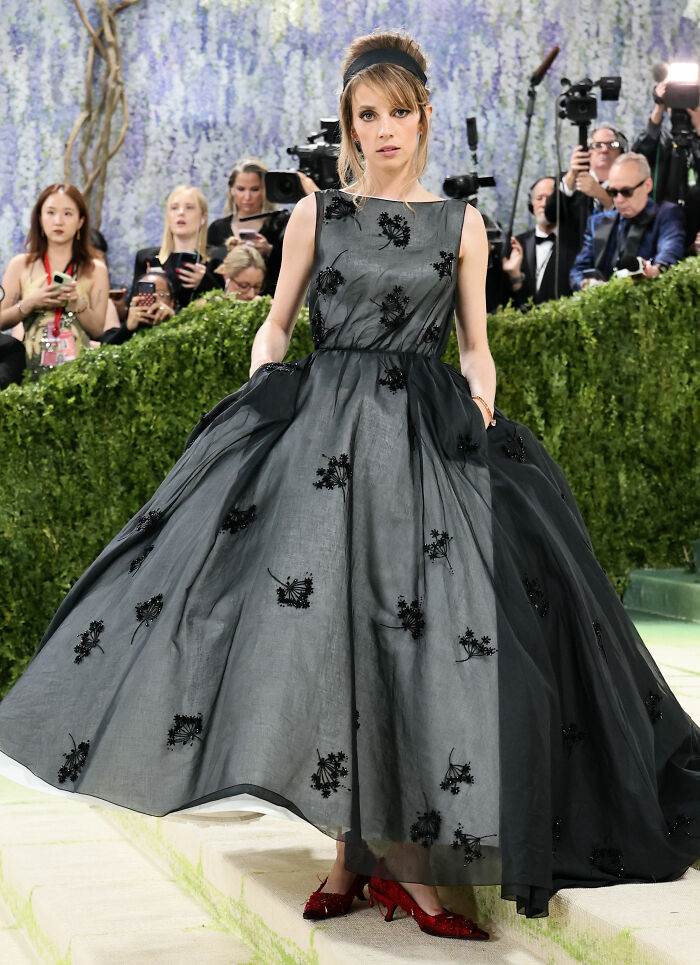
Wintour also became closely associated with the Met Gala. As a central figure behind the event, she helped transform it into an internationally recognized celebration of fashion, art, entertainment, and creativity. The gathering attracts designers, actors, musicians, business leaders, and other influential personalities. It demonstrates how fashion can become a larger cultural conversation rather than remaining limited to clothing and runway presentations.
Her professional responsibilities have also evolved. In 2025, she stepped away from the day-to-day editor-in-chief position at American Vogue, while continuing in senior global leadership roles at Condé Nast. This transition illustrates how experienced media executives can maintain strategic influence while allowing new editorial leaders to manage individual publications.
Who Is Ricardo Salinas?
Ricardo Salinas Pliego is a prominent Mexican entrepreneur known for building and expanding businesses across several industries. His professional identity is closely connected with Grupo Salinas, a business group with interests in retail, financial services, broadcasting, and telecommunications.
Salinas developed his business career through an interest in entrepreneurship, commercial opportunities, and organizational expansion. Rather than concentrating on a single industry, his business activities have involved different sectors that serve consumers and businesses. This diversified approach has made his name recognizable in discussions about Mexican entrepreneurship and corporate leadership.
One of the best-known companies associated with his business group is Grupo Elektra. The company operates in retail and financial services, providing products and services to a broad consumer market. Another important organization is TV Azteca, which has an established presence in the country’s television and entertainment industry.
His wider business network also includes Banco Azteca and Totalplay. These companies illustrate the variety of commercial activities associated with Grupo Salinas. Through these ventures, Salinas has participated in industries where technology, customer service, media distribution, and financial accessibility play important roles.
His career offers an example of how entrepreneurs can expand their influence by identifying opportunities in different markets. It also demonstrates the challenges of managing large organizations, responding to competition, and adapting to changing economic conditions.
Comparing Their Leadership Styles
Leadership is an important part of both professional journeys, although the responsibilities involved are considerably different. Wintour’s approach is associated with creative direction, editorial judgment, and the development of a recognizable publication identity. Salinas’s approach is connected with entrepreneurship, corporate management, investment decisions, and business expansion.
In fashion publishing, leaders must understand cultural developments and audience expectations. They need to identify creative talent, recognize emerging trends, and maintain a publication’s reputation. Editorial decisions can influence designers, photographers, models, and other professionals throughout the fashion industry.
Business leadership requires a different combination of skills. Entrepreneurs must evaluate market opportunities, manage financial resources, understand consumer behavior, and develop strategies for sustainable operations. They also need to respond to competition and changing economic circumstances.
The comparison of Anna Wintour and Ricardo Salinas therefore highlights two different forms of professional influence. One is closely associated with shaping creative conversations, while the other demonstrates the importance of business development and commercial strategy.
Neither leadership approach is automatically better than the other. Their effectiveness depends on the industry, organizational objectives, available resources, and the expectations of the people they serve.
The Importance of Media in Their Professional Journeys
Media plays an important role in both careers, but it operates differently in each professional environment. In fashion publishing, magazines and digital platforms communicate trends, introduce designers, present creative ideas, and influence public conversations about style.
Wintour’s association with Vogue demonstrates how editorial platforms can influence the visibility of creative professionals. A magazine’s selection of designers, photographers, and cultural personalities can contribute to public recognition. However, modern fashion publishing also depends on digital platforms, social media, video content, and changing reader preferences.
Salinas’s association with television broadcasting represents another side of media influence. Television companies provide entertainment, news, and other programming to large audiences. They operate in a competitive environment where advertising, distribution, technology, and audience engagement are important considerations.
Both professional paths show that media is not simply about publishing information or producing entertainment. It also involves building trust, maintaining relevance, understanding audiences, and responding to technological developments.
Business Strategy and Long-Term Influence

A successful professional career requires more than public recognition. Long-term influence often depends on the ability to make thoughtful decisions, recognize opportunities, and adapt when circumstances change.
Wintour’s career illustrates the importance of maintaining a strong editorial identity while responding to changes in fashion and popular culture. The magazine industry has experienced major developments through online publishing, social media, digital advertising, and changing consumer habits. Fashion publications must continuously reconsider how they connect with readers.
Salinas’s business experience highlights the importance of diversification and organizational management. Companies operating in retail, banking, television, and telecommunications face different market conditions. Each sector requires an understanding of customers, competitors, technology, and financial performance.
The broader lesson from Anna Wintour and Ricardo Salinas is that professional influence develops through different routes. Creative leadership can shape cultural preferences, while entrepreneurship can create businesses, employment opportunities, and consumer services. Both approaches require consistency, strategic thinking, and the willingness to respond to new challenges.
Lessons from Their Professional Experiences
There are several useful lessons that readers and aspiring professionals can take from their careers.
1. Develop a clear vision: Successful professionals understand what they want to achieve. A clear direction makes it easier to establish priorities and make meaningful decisions.
2. Adapt to changing industries: Fashion, publishing, retail, and broadcasting are constantly evolving. Remaining relevant requires learning new skills and responding to changing audience expectations.
3. Build strong professional relationships: Collaboration with talented individuals, employees, and business partners can create opportunities for growth.
4. Maintain professional consistency: Long-term success requires dedication, patience, and the ability to manage difficult situations.
5. Understand your audience: Whether working in fashion publishing or consumer businesses, understanding people’s interests and expectations is essential.
These lessons demonstrate why studying Anna Wintour and Ricardo Salinas can provide an interesting perspective on leadership, entrepreneurship, and professional development.
Conclusion
Anna Wintour and Ricardo Salinas represent two different approaches to professional success and influence. Wintour has made a lasting contribution to international fashion journalism through her editorial leadership, creative vision, and association with Vogue. Salinas has established his reputation through entrepreneurship and the expansion of businesses across retail, financial services, television, and telecommunications.
Although their professional backgrounds differ, both demonstrate the importance of strategic thinking, adaptability, and leadership. Their careers also show how influence can develop through creative industries as well as commercial organizations.
There is no established public evidence of a direct personal relationship or joint business partnership between them. Nevertheless, examining their achievements separately provides valuable insights into modern media, business development, and leadership.
Frequently Asked Questions
1. Who is Anna Wintour?
Anna Wintour is a British-American fashion journalist and senior Condé Nast executive, widely recognized for her influential work with Vogue.
2. Who is Ricardo Salinas?
Ricardo Salinas Pliego is a Mexican entrepreneur and the founder and chairman of Grupo Salinas.
3. Are Anna Wintour and Ricardo Salinas business partners?
No verified public information establishes a direct business partnership between the two individuals.
4. What industries are they associated with?
Wintour is primarily associated with fashion, journalism, and publishing, while Salinas is associated with retail, banking, television, and telecommunications.
5. What makes their careers interesting to compare?
Their careers demonstrate two different forms of leadership: creative and editorial influence on one side, and entrepreneurship and corporate management on the other.