

Introduction
The digital world has changed the way people communicate, learn, celebrate, and share experiences. Events that once required physical venues, travel arrangements, and face-to-face participation can now bring people together through online platforms. From educational conferences and professional meetings to entertainment programs and creative workshops, virtual gatherings have become an important part of modern communication. They allow individuals from different locations to participate in shared experiences without the limitations of distance. Within this changing environment, the phrase online event of the year thehakevent represents an interesting concept connected with digital participation, modern event experiences, and the growing popularity of virtual gatherings.
Online events are no longer considered simple alternatives to traditional meetings. They have developed into interactive experiences that combine technology, creativity, communication, and community engagement. Participants can attend presentations, exchange ideas, connect with professionals, and explore different subjects through digital environments. As expectations continue to change, event organizers are focusing on creating experiences that are informative, accessible, entertaining, and memorable. Understanding this transformation helps explain why modern online events are becoming increasingly valuable.
Understanding the Concept of TheHakevent
TheHakevent can be explored as a concept associated with the development of online event experiences. The name suggests a digital gathering where technology and participation come together to create opportunities for audiences. Rather than viewing virtual events as ordinary online meetings, this concept encourages a broader understanding of how digital platforms can support meaningful interactions.
Modern audiences expect more than a screen displaying a speaker or presentation. They appreciate events that provide useful information, interesting discussions, interactive activities, and opportunities to connect with others. A successful digital gathering needs to consider the complete participant experience, starting with registration and continuing through the event itself. Clear communication, organized sessions, and accessible technology can make a considerable difference.
The idea behind online event of the year thehakevent also highlights how digital experiences can bring different communities together. Students, entrepreneurs, professionals, creators, and technology enthusiasts can participate in shared discussions regardless of their geographical locations.
The Growing Popularity of Online Events
The popularity of online events has increased because people are becoming more comfortable using digital communication tools. Video conferencing applications, streaming services, interactive websites, and virtual meeting environments have made participation easier for different audiences. These technologies allow organizers to reach people who might otherwise be unable to attend a physical gathering.
Convenience is one of the biggest reasons behind this development. Participants do not necessarily need to travel, book accommodation, or spend additional time reaching an event location. They can join sessions from home, offices, educational institutions, or other suitable environments. This flexibility makes online events particularly useful for individuals with busy schedules.
Another important factor is accessibility. Traditional events are sometimes limited by venue capacity, location, and travel expenses. Online gatherings can reduce several of these restrictions and provide opportunities for wider participation. However, a good internet connection and suitable devices remain important requirements.
As digital communication continues to develop, online event of the year thehakevent reflects the growing interest in virtual experiences that combine convenience with meaningful engagement.
How Technology Shapes Modern Digital Gatherings
Technology plays a central role in the development of successful online events. Without reliable digital tools, organizers may struggle to communicate effectively with participants or deliver a smooth experience. Modern event platforms provide different features that support registration, presentations, live discussions, audience interaction, and content sharing.
Video streaming technology allows speakers to communicate with large audiences in real time. Interactive chat systems give participants opportunities to ask questions and share opinions. Screen-sharing tools make it easier to demonstrate software, explain concepts, and present educational material. Some platforms also offer virtual networking spaces where attendees can communicate with other participants.
Artificial intelligence and automation are introducing additional possibilities. Automated registration messages, event reminders, session recommendations, and audience feedback systems can help organizers manage their responsibilities. These features can improve event coordination while reducing repetitive administrative work.
Nevertheless, technology should support the purpose of an event rather than become its main attraction. Organizers need to select tools that are easy to use, reliable, and suitable for their audience. A simple, well-organized digital experience is often more valuable than a complicated platform filled with unnecessary features.
Creating Meaningful Experiences for Participants
A successful online event should provide value to the people attending it. Participants generally join digital gatherings because they want to learn something, discover new ideas, meet others, or enjoy engaging content. Organizers should therefore understand their audience before planning the event.
The first step is identifying the main purpose of the gathering. An educational event may focus on expert presentations, demonstrations, and question-and-answer sessions. A business conference might include industry discussions, networking opportunities, and professional development activities. An entertainment event could prioritize performances, creative presentations, and audience participation.
The structure of an event also influences its overall quality. Long presentations without breaks can make participants lose interest. Shorter sessions, engaging discussions, and interactive activities can help maintain attention. Organizers should also provide clear schedules so attendees understand what is happening and when.
The broader vision of online event of the year thehakevent can be connected with this emphasis on participant satisfaction. A memorable event is not simply one that attracts a large audience; it is one that leaves participants with useful knowledge, positive experiences, and meaningful connections.
The Importance of Global Audience Participation
One of the most interesting advantages of online events is their ability to connect people from different parts of the world. Physical gatherings often depend on location, travel arrangements, and available space. Digital events can reduce these barriers and create opportunities for international participation.
For example, a technology professional in India can attend a presentation delivered by an expert in another country. Similarly, students, business owners, independent creators, and researchers can participate in discussions with people who share their interests. These interactions can introduce participants to different perspectives and professional opportunities.
Global participation also encourages cultural exchange. People from different backgrounds may approach the same subject in different ways. Sharing these viewpoints can make discussions more informative and help participants develop a wider understanding of important topics.
However, international events require thoughtful planning. Organizers should consider time-zone differences, language accessibility, and cultural expectations. Providing session recordings, captions, and flexible participation options can make an event more welcoming to a diverse audience.
Online Events and Professional Networking
Networking has traditionally been one of the main reasons people attend conferences, exhibitions, and professional gatherings. Online events are developing new ways to support these interactions through digital communication features.
Participants can connect through discussion rooms, live chat, networking sessions, and professional communities. These opportunities can help people introduce themselves, exchange ideas, discuss projects, and develop professional relationships. Speakers and industry specialists may also become more accessible through structured question-and-answer sessions.
For businesses, digital networking can provide opportunities to connect with potential customers, partners, employees, and collaborators. Small organizations can participate in industry discussions without necessarily spending large amounts on travel and accommodation.
However, effective networking requires more than simply providing a chat window. Organizers should create activities that encourage meaningful conversations. Topic-based discussion rooms, introduction sessions, and collaborative activities can help participants communicate more naturally.
The value of online event of the year thehakevent can therefore be understood through the opportunities digital gatherings create for professional communication and relationship building.
Educational Opportunities Through Virtual Events
Education is another area where online events have created significant opportunities. Virtual seminars, workshops, lectures, and training sessions allow learners to explore subjects beyond the traditional classroom environment.
Students can attend sessions conducted by experienced educators and industry professionals. They can learn about emerging technologies, business strategies, creative industries, communication skills, and other subjects. Online workshops may also include demonstrations and practical activities that encourage active learning.
One major advantage is flexibility. Some digital events provide recorded sessions that participants can revisit when necessary. This can be useful for people who want to review complicated information or could not attend a particular session in real time.
Online educational events can also support lifelong learning. Professionals who want to improve their skills can participate in specialized discussions without interrupting their regular responsibilities. Similarly, individuals exploring new career opportunities can discover useful information about different industries.
For educational gatherings to be effective, organizers should focus on reliable information, qualified speakers, understandable presentations, and opportunities for questions.
Entertainment and Creativity in Digital Events
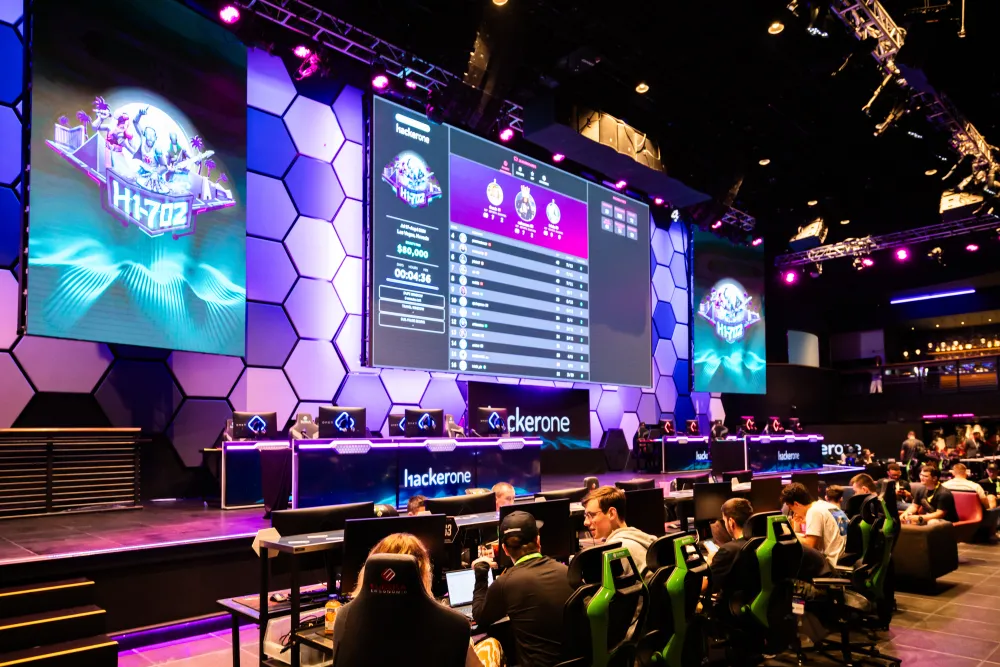
Online events are not limited to professional development and education. Entertainment has also become an important part of the virtual event environment. Music performances, cultural celebrations, creative competitions, gaming activities, and community programs can all take place through digital platforms.
These gatherings allow performers and creators to reach audiences beyond their immediate locations. Independent artists can present their work, musicians can perform for online viewers, and creative communities can organize activities around shared interests.
Interactive features can make entertainment events more engaging. Live polls, audience questions, digital competitions, and real-time comments allow participants to become part of the experience instead of remaining passive viewers.
Creativity is especially important when designing virtual entertainment. Organizers should consider how visual presentations, sound quality, session timing, and audience interaction work together. A well-planned program can create an enjoyable experience even without a physical stage.
Challenges Associated With Online Event Management
Although online events offer many advantages, organizing them successfully requires careful preparation. Technical problems are among the most common challenges. Unstable internet connections, audio issues, software errors, and streaming interruptions can affect the participant experience.
Audience engagement is another concern. Participants may become distracted when attending an event from home or work. Long sessions and repetitive presentations can reduce interest. Organizers need to create a balanced schedule with opportunities for interaction and short breaks.
Digital security also deserves attention. Registration information, personal details, and communication channels should be handled responsibly. Organizers must select trustworthy platforms and explain how participant information will be used.
Some additional challenges include:
-
Technical preparation: Testing microphones, cameras, presentations, and internet connections before the event.
-
Audience engagement: Including discussions, polls, and interactive sessions.
-
Time management: Keeping presentations organized and respecting scheduled timings.
-
Accessibility: Considering captions, understandable navigation, and different participant needs.
-
Communication: Sharing accurate schedules, instructions, and important updates.
Addressing these issues before an event begins can help create a smoother and more dependable experience.
The Future of Online Events
The future of online events is likely to involve more interactive and personalized experiences. Digital platforms are continuing to develop, creating new opportunities for organizers and participants. Improvements in streaming quality, artificial intelligence, virtual reality, and augmented reality may influence how people experience online gatherings.
Virtual reality, for example, could allow participants to explore digital environments that resemble physical conference spaces. Augmented reality may introduce interactive demonstrations and visual learning experiences. Artificial intelligence could help participants discover relevant sessions, receive personalized information, and navigate large event programs.
Hybrid events may also remain important. These gatherings combine physical attendance with online participation, giving people different ways to become involved. This approach can provide flexibility while maintaining some of the personal interaction associated with traditional events.
However, future developments should prioritize accessibility, privacy, reliability, and genuine human connection. Technology becomes valuable when it makes communication easier and creates better experiences for participants.
Why Planning Matters for a Successful Digital Event
Good planning is the foundation of any successful event. Organizers should begin by defining the event’s purpose, identifying the intended audience, and selecting suitable digital tools. These decisions influence everything from the program structure to the communication strategy.
A clear schedule helps participants understand the event and plan their time. Speakers should receive instructions in advance, while technical teams should test the platform before the program begins. Registration information should be easy to understand, and attendees should receive joining instructions before the event.
After the gathering, organizers can collect feedback through surveys and discussions. Reviewing participant responses helps identify successful elements and areas that need improvement. Attendance figures, session participation, audience questions, and feedback can provide useful insights.
The concept of online event of the year thehakevent also draws attention to the importance of thoughtful organization. A successful digital gathering requires cooperation between speakers, technical teams, organizers, and participants.
Conclusion
Online events have become an important part of modern digital communication. They provide opportunities for education, entertainment, professional networking, creativity, and international collaboration. With the support of reliable technology and thoughtful planning, virtual gatherings can connect people who might otherwise never share the same experience.
The concept of online event of the year thehakevent reflects the growing interest in digital experiences that bring together convenience, innovation, and audience participation. Although technical difficulties and engagement challenges remain, organizers can overcome many of these obstacles through preparation, accessible platforms, and meaningful activities.
As technology continues to evolve, online events will likely become more interactive, flexible, and inclusive. Their long-term success will depend not only on advanced digital tools but also on the quality of information, communication, and relationships they help create. Ultimately, the best online events are those that offer participants something valuable to remember and apply beyond the digital gathering itself.