

Introduction
Asbestos is a naturally occurring mineral that was widely used in construction, manufacturing, automotive products, and various industrial applications. Its popularity came from its durability, heat resistance, strength, and ability to provide insulation. For many years, asbestos-containing materials were considered useful and affordable solutions for buildings and industrial equipment. However, scientific research eventually revealed that exposure to asbestos fibers could cause serious health problems, particularly when these tiny fibers become airborne and enter the human body.
Understanding asbestos exposure is important because asbestos-related diseases can develop many years after the initial contact. People who worked in construction, shipbuilding, mining, manufacturing, and renovation industries have historically faced higher risks. However, exposure is not limited to workers. Homeowners, maintenance professionals, and people living near disturbed asbestos-containing materials may also encounter airborne fibers. Learning about its sources, health effects, warning signs, and prevention methods can help individuals make informed decisions and protect their long-term health.
What Is Asbestos?
Asbestos refers to a group of naturally occurring fibrous minerals found in certain rocks and soil. These minerals have thin, strong fibers that can resist high temperatures, chemicals, and physical damage. Historically, manufacturers used asbestos in insulation, roofing sheets, cement products, floor tiles, pipes, automotive brake components, and other materials.
There are several types of asbestos, including chrysotile, amosite, crocidolite, tremolite, actinolite, and anthophyllite. Chrysotile, commonly called white asbestos, was particularly widely used in commercial products. Other varieties were also used in industrial applications because of their specific physical properties.
The main concern is that asbestos fibers are extremely small and can remain suspended in the air when materials containing them are damaged or disturbed. These fibers may be inhaled without a person realizing it. Once inside the body, some fibers can remain in tissues for many years, potentially causing inflammation, scarring, and other serious health complications.
How Does Asbestos Exposure Occur?
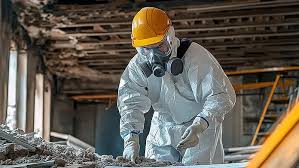
Exposure generally occurs when microscopic fibers are released from asbestos-containing materials and become airborne. Activities such as drilling, cutting, sanding, breaking, removing, or demolishing older materials can release these fibers into surrounding air.
Occupational contact has historically been one of the most common sources. Construction workers, electricians, plumbers, mechanics, demolition professionals, and industrial maintenance employees may encounter asbestos when working with older equipment or buildings. Workers who handle damaged insulation or asbestos-containing cement products can face additional risks if appropriate safety procedures are not followed.
Environmental exposure can also happen when naturally occurring asbestos-containing rocks are disturbed through construction, mining, or other activities. Family members of workers may experience secondary exposure when contaminated clothing, footwear, or equipment carries fibers into the home. The possibility of asbestos exposure therefore depends on the material involved, the condition of the material, the activity performed, and the duration and intensity of contact.
Common Sources of Asbestos in Everyday Environments
Asbestos was used in numerous products, particularly in buildings and industrial facilities constructed before restrictions became widespread. Older insulation around pipes, boilers, and heating systems may contain asbestos. Some roofing sheets, ceiling panels, wall materials, floor tiles, and cement products may also contain asbestos fibers.
In automotive environments, asbestos was historically used in brake pads, clutch components, and certain heat-resistant parts. Although many manufacturers have moved toward alternative materials, older vehicles and equipment may still contain asbestos-containing components.
Industrial facilities, warehouses, power plants, factories, and shipyards can also contain older asbestos materials. Their presence does not automatically mean that dangerous fibers are being released. Materials that remain intact and undisturbed generally present a lower risk than damaged or deteriorating materials.
People should avoid identifying asbestos through appearance alone. Professional inspection and laboratory testing are necessary to determine whether a particular material contains asbestos.
Health Risks Associated With Asbestos Exposure
Asbestos can create serious health risks because inhaled fibers may become trapped in the lungs and other tissues. The body has difficulty removing certain fibers, which can lead to persistent irritation and biological changes over time.
One major concern is the development of asbestos-related diseases. These include asbestosis, lung cancer, and mesothelioma. Some individuals may also develop pleural abnormalities, which affect the thin membranes surrounding the lungs.
The likelihood of developing an illness depends on several factors, including the amount of exposure, frequency of contact, duration, fiber type, and individual health circumstances. Smoking significantly increases the risk of lung cancer among people exposed to asbestos.
It is important to understand that not everyone who encounters asbestos will develop a disease. Nevertheless, there is no established safe level of asbestos exposure, and unnecessary contact should always be avoided. Preventing exposure remains the most effective way to reduce associated health risks.
Major Diseases Linked to Asbestos
1. Asbestosis
Asbestosis is a chronic lung condition caused by inhaling asbestos fibers over an extended period. These fibers can produce inflammation and scarring in lung tissue, making it harder for the lungs to expand and transfer oxygen effectively.
People with asbestosis may experience shortness of breath, persistent coughing, chest discomfort, and reduced physical stamina. Symptoms generally develop gradually and may become more noticeable during physical activity. Although medical treatment can help manage symptoms and complications, the lung scarring cannot usually be reversed.
2. Mesothelioma
Mesothelioma is a rare and aggressive cancer that affects the mesothelium, the protective tissue lining certain internal organs. It most commonly develops in the lining surrounding the lungs, although it can also affect the abdominal lining and other areas.
Asbestos exposure is the primary established cause of most mesothelioma cases. The disease may take several decades to develop after exposure. Symptoms can include chest pain, breathing difficulties, unexplained weight loss, abdominal swelling, and persistent fatigue, depending on the affected area.
3. Lung Cancer
Exposure to asbestos can increase the risk of developing lung cancer. The risk becomes particularly concerning when exposure occurs over a long period. Smoking further increases this risk, making tobacco avoidance especially important for people with a history of occupational contact.
Possible symptoms include a persistent cough, coughing up blood, chest pain, unexplained weight loss, and recurring respiratory problems. These symptoms can have many causes, so medical evaluation is necessary rather than assuming that asbestos-related cancer is present.
4. Pleural Diseases
Asbestos fibers can also affect the pleura, which is the thin membrane surrounding the lungs. Some individuals develop pleural plaques, pleural thickening, or fluid accumulation around the lungs.
These conditions may not always produce noticeable symptoms. However, more extensive pleural changes can contribute to chest discomfort and breathing difficulties. Medical imaging and professional assessment can help identify these abnormalities.
Symptoms and Warning Signs to Understand
One of the most challenging aspects of asbestos-related illness is the long delay between exposure and the appearance of symptoms. Some diseases may take 10 to 50 years or longer to become apparent. Consequently, people may not immediately connect their current health problems with earlier occupational or environmental contact.
Common warning signs can include persistent coughing, shortness of breath, chest tightness, unusual tiredness, and unexplained weight loss. Some individuals may also experience difficulty breathing during routine physical activities.
However, these symptoms are not exclusive to asbestos-related conditions. Respiratory infections, asthma, heart problems, and other illnesses can produce similar signs. Anyone experiencing persistent or worsening symptoms should consult a qualified healthcare professional.
People with a significant history of occupational contact should discuss their exposure history with their doctor, even if they currently feel healthy. Providing accurate information about previous jobs, workplaces, and possible contact with asbestos can help healthcare professionals assess individual risks.
How Long Does It Take for Asbestos-Related Diseases to Develop?
Asbestos-related diseases are known for their long latency periods. This means that a considerable amount of time may pass between the initial exposure and the development of noticeable health problems.
Asbestosis commonly develops after substantial or repeated exposure over many years. Mesothelioma and asbestos-related lung cancer may also take several decades to appear. In some cases, individuals develop symptoms long after leaving the workplace where the exposure occurred.
The latency period varies depending on the disease, exposure history, and individual circumstances. This delayed development makes it particularly important to maintain accurate occupational health records.
A person should not assume that an old exposure is irrelevant simply because many years have passed. Medical professionals can consider the person’s history and recommend appropriate evaluation based on symptoms and risk factors.
Who Is Most at Risk?
Certain occupations have historically involved greater opportunities for contact with asbestos-containing materials. Construction workers, roofers, plumbers, electricians, insulation installers, demolition workers, shipyard employees, and industrial maintenance professionals are among the groups that may face increased occupational risks.
Mechanics who work with older brake and clutch components may also encounter asbestos-containing materials. Mining and manufacturing workers have historically faced additional risks depending on the minerals and products handled at their workplaces.
Family members of workers can also be affected through secondary exposure if asbestos fibers are carried home on clothing or equipment. This risk highlights the importance of workplace hygiene and proper handling procedures.
Nevertheless, occupational history alone does not determine whether someone will become ill. The actual risk depends on the nature and extent of exposure, protective measures, and other individual factors.
How Is Asbestos-Related Illness Diagnosed?
Diagnosing asbestos-related disease generally involves reviewing medical history, occupational background, symptoms, and appropriate medical investigations. A healthcare professional may ask about previous employment, the types of materials handled, and the duration of possible exposure.
Chest X-rays and computed tomography scans can help identify lung scarring, pleural abnormalities, or suspicious changes. Pulmonary function tests may be used to evaluate how effectively the lungs are working.
If doctors suspect mesothelioma or another form of cancer, additional investigations may be necessary. These can include laboratory tests, imaging studies, and a tissue biopsy to establish a diagnosis.
There is no single routine test that can reliably determine every person’s future risk after exposure. Medical evaluation should therefore be based on individual circumstances rather than unnecessary screening or self-diagnosis.
Prevention and Safety Measures
Preventing unnecessary contact is the most effective approach to reducing asbestos-related health risks. People living or working in older buildings should avoid disturbing materials that may contain asbestos.
If suspicious insulation, roofing, flooring, or cement products are damaged, individuals should not attempt to remove or repair them without professional advice. Cutting, drilling, breaking, and sanding such materials can release dangerous fibers.
Professional asbestos inspectors can collect samples and arrange laboratory testing. If removal is necessary, trained and appropriately licensed or authorized professionals should follow applicable local regulations and safety procedures.
Employers should also provide suitable protective equipment, worker training, controlled work areas, and proper disposal arrangements. Following established occupational safety requirements helps reduce the possibility of airborne fiber release.
What Should You Do After Possible Exposure?
If you believe you have encountered asbestos, the first step is to avoid further contact with the suspected material. Leave the affected area if doing so is safe, and prevent other people from entering until the situation has been assessed.
Do not sweep, vacuum with an ordinary household vacuum cleaner, or use compressed air to clean suspected asbestos dust. These activities may spread fibers into the surrounding environment.
If your clothing or equipment may have become contaminated, avoid shaking or brushing it. Follow professional guidance for safe handling and cleaning. Workers should report the incident to their employer or occupational safety representative.
A brief accidental encounter does not automatically mean that someone will develop an asbestos-related disease. However, people with substantial or repeated exposure should discuss their history with a healthcare professional. Keeping a record of the possible exposure, including its date and circumstances, may be useful for future medical assessments.
Asbestos Regulations and Public Awareness
Awareness of asbestos hazards has increased significantly as scientific evidence has established its connection with serious diseases. Many countries have introduced restrictions, workplace safety standards, product controls, and procedures for managing asbestos-containing materials.
However, regulations differ between countries and may change over time. Some older buildings and industrial facilities still contain asbestos materials despite restrictions on newer applications.
Public awareness is especially important in developing and renovating urban areas, where older structures may be demolished or modified. Property owners, construction companies, contractors, and workers should understand the potential hazards before beginning renovation activities.
In India, asbestos-related safety concerns are particularly relevant in construction, manufacturing, and industrial settings. Following applicable national and local occupational safety requirements, obtaining professional assessments, and using appropriate handling procedures are important steps toward reducing preventable exposure.
Conclusion
Asbestos is a naturally occurring mineral that was once widely used because of its strength, insulation properties, and resistance to heat. However, inhaling its microscopic fibers can lead to serious health conditions, including asbestosis, lung cancer, and mesothelioma. These diseases may develop many years after the initial contact, making awareness and prevention especially important.
Understanding asbestos exposure helps workers, homeowners, employers, and communities recognize potential hazards and take appropriate precautions. Avoiding the disturbance of suspicious materials, seeking professional inspections, following workplace safety procedures, and consulting healthcare professionals when necessary can reduce unnecessary risks. Although past exposure cannot always be undone, informed decisions and responsible safety practices can help protect individuals and communities from future harm.