

Introduction
Understanding what does asbestos insulation look like is important for homeowners, property buyers, renovation professionals, and anyone working around older buildings. Asbestos was widely used in construction because it resists heat, provides insulation, and offers durability. It was added to various building materials, including pipe coverings, attic insulation, boiler insulation, wall products, and ceiling materials. Although these products served practical purposes, asbestos fibers can pose serious health risks when released into the air and inhaled.
One of the biggest challenges is that asbestos insulation does not have a single recognizable appearance. Depending on the product, it may look fluffy, powdery, fibrous, chalky, or similar to ordinary cement or plaster. Some materials are white or gray, while others appear brown, beige, or silver because of protective coverings. Consequently, visual inspection alone cannot reliably confirm whether insulation contains asbestos. Knowing the possible warning signs can help people avoid disturbing suspicious materials and arrange appropriate professional testing when necessary.
What Does Asbestos Insulation Look Like?
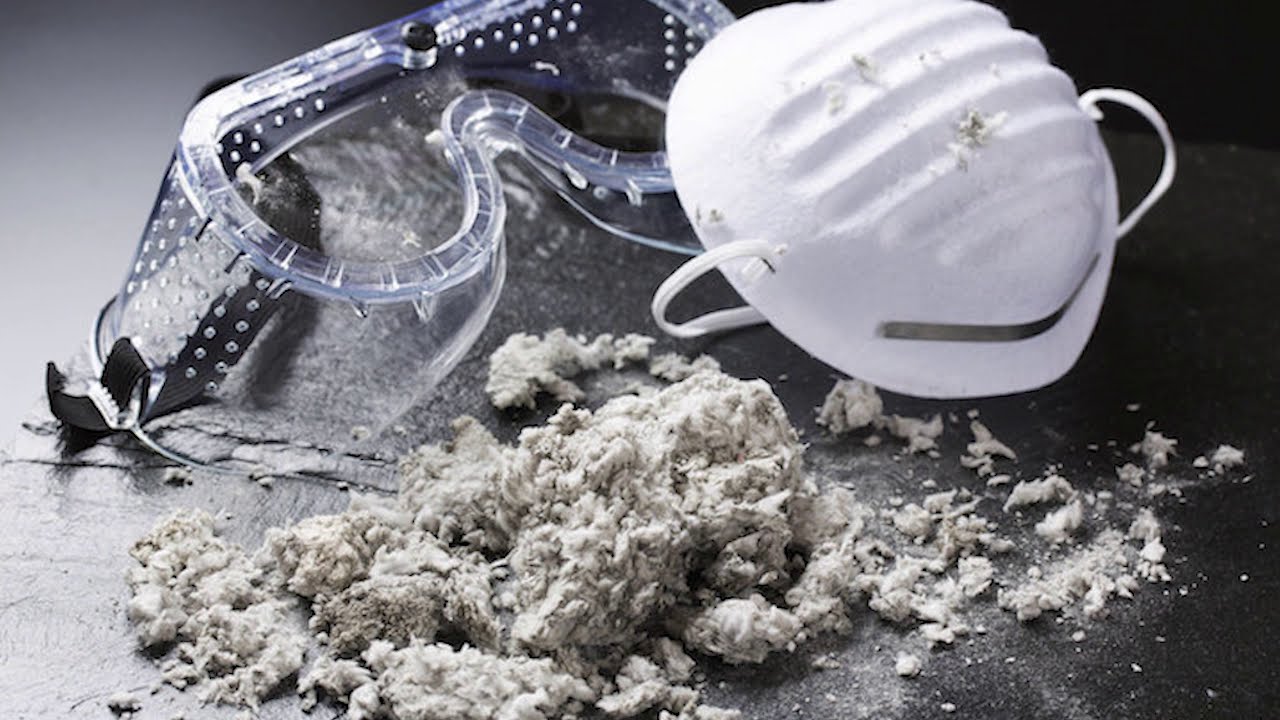
Asbestos insulation can have several different appearances depending on its age, composition, installation method, and location. Loose-fill asbestos insulation may resemble fluffy fibers, small mineral-like pieces, or lightweight granules spread across an attic floor or inside a wall cavity. Pipe insulation may look like thick, rigid sections surrounding heating pipes, sometimes covered with cloth, paper, metal sheeting, or a painted protective coating. Other varieties resemble dense boards, molded shapes, or rough cement-like coverings.
The color is not a dependable way to identify asbestos. White, gray, brown, and off-white materials may contain asbestos, but similar-looking products can also be asbestos-free. Some older insulation has a rough, uneven texture, while other products have a relatively smooth exterior that hides the material underneath. Even experienced observers cannot reliably determine asbestos content simply by looking at a surface. If insulation appears old or unusual, particularly in a building constructed or renovated when asbestos-containing products were common, avoid touching it until its composition has been assessed.
Common Types of Asbestos Insulation
1. Loose-Fill Insulation
Loose-fill insulation consists of small, lightweight pieces or fibers placed within roof spaces, attics, wall cavities, and other enclosed areas. Some historical asbestos insulation products may appear fluffy or granular, and their color can range from white to gray or brown. However, loose-fill insulation made from other materials can have a similar appearance, so the texture and color cannot establish its identity.
Loose-fill materials deserve particular caution because disturbance can release airborne particles. Walking through an attic, sweeping debris, using a household vacuum, or moving stored items can disturb insulation and spread contamination if asbestos is present. Never collect a sample yourself simply to check its appearance. A qualified asbestos professional can determine the appropriate sampling method and whether the material needs laboratory analysis.
2. Pipe Insulation
Pipe insulation is one of the recognizable historical applications of asbestos-containing materials. It may surround hot-water pipes, steam pipes, heating systems, and boiler connections in older buildings. The insulation can appear as thick, molded sections with a hard outer shell or as a softer, layered covering wrapped around the pipe.
Some coverings have a white or gray surface resembling plaster. Others are concealed beneath fabric, paper, metal jackets, or painted coatings. Damaged pipe insulation may show cracks, frayed edges, powdery deposits, or exposed fibers. These characteristics indicate deterioration but do not prove asbestos is present. If you encounter suspicious pipe coverings, do not scrape, cut, sand, or remove them. Leave the area undisturbed and seek an assessment from a trained professional.
3. Attic Insulation

Attics can contain several generations of insulation installed during different renovations. Potential asbestos-containing products may include certain loose-fill materials, insulation boards, or older heat-resistant components around chimneys and heating equipment. Some asbestos-containing materials look gray, fibrous, or granular, while modern mineral wool and other non-asbestos products can look almost identical.
The surrounding building materials can provide useful context, but they are not conclusive evidence. Insulation near old heating equipment or around penetrations through ceilings and roofs deserves careful attention if its composition is unknown. Avoid disturbing the material while inspecting the attic, and do not use fans or compressed air to remove dust. Professional evaluation is the safest way to determine whether asbestos is present and what action, if any, is necessary.
4. Boiler and Furnace Insulation
Older boilers, furnaces, and heating systems sometimes used asbestos-containing insulation to reduce heat loss and protect nearby components. This insulation may appear as rigid panels, thick molded coverings, rope-like packing, cloth wraps, or cement-like coatings. It may be located around boiler bodies, furnace doors, ducts, flues, or joints exposed to high temperatures.
The exterior may be painted or covered with metal, making the underlying material difficult to see. Age-related damage, loose fragments, or deteriorating seals can raise concerns, but appearance alone cannot confirm the material’s composition. Do not open equipment panels, remove protective coverings, or attempt repairs on suspected asbestos insulation. A qualified professional can inspect the heating system and advise whether testing, enclosure, maintenance, or removal is appropriate.
5. Asbestos Insulation Boards
Some historical building products used asbestos in rigid or semi-rigid boards intended for thermal protection and fire resistance. These boards may appear flat, gray, white, or beige and can resemble plasterboard, fiber cement, or other construction panels. They were sometimes installed around boilers, behind heating equipment, or in areas requiring heat-resistant surfaces.
The material may have a smooth painted finish or a rough, exposed edge. Drilling, cutting, sanding, or breaking a board can release fibers if it contains asbestos. Because many modern products have similar appearances, visual identification is unreliable. If an older board is damaged or must be altered during renovation, have it assessed before work begins.
Where Can Asbestos Insulation Be Found?
Asbestos insulation may be present in buildings where asbestos-containing construction materials were installed before restrictions or bans took effect. Potential locations include older residential properties, commercial buildings, factories, schools, utility rooms, and industrial facilities. The exact likelihood depends on the building’s age, country, construction history, and the products used at the time.
Common areas to inspect cautiously include:
-
Around steam pipes, hot-water pipes, and boilers.
-
Inside older attics, roof spaces, and wall cavities.
-
Around furnaces, heating ducts, and chimney connections.
-
Behind older heat-resistant boards and equipment panels.
-
Within certain industrial insulation systems and service areas.
These locations are not proof of asbestos contamination. Some buildings contain newer replacement materials, and many older insulation products do not contain asbestos. Building records, renovation documents, and professional testing can provide more reliable evidence than appearance alone.
Visual Signs That May Raise Concerns
When considering what does asbestos insulation look like, it is helpful to distinguish between visible warning signs and actual identification. Age, unusual texture, layered coverings, and a history of use in heat-resistant applications may justify further assessment. Damaged insulation can show cracks, crumbling edges, frayed fabric, exposed internal layers, or loose debris around pipes and equipment.
Nevertheless, none of these characteristics is exclusive to asbestos-containing products. Fiberglass, mineral wool, cellulose, plaster, and other construction materials can also appear fibrous or dusty. Conversely, asbestos may be concealed beneath an intact coating and may not be visible at all. A clean-looking surface does not guarantee that a material is asbestos-free.
Treat uncertain insulation as potentially hazardous until it has been evaluated. Avoid disturbing it, keep others away from damaged areas, and arrange professional advice when necessary. Laboratory analysis of an appropriately collected sample is generally needed to confirm whether a material contains asbestos.
Can You Identify Asbestos Insulation by Color or Texture?
Color and texture can help describe a material, but they cannot establish whether it contains asbestos. White insulation may be fiberglass, mineral wool, or another product. Gray material may be cement-based insulation or a different construction product. Brown fibers may come from cellulose, older mineral products, or other materials unrelated to asbestos.
The same uncertainty applies to texture. A fluffy appearance does not automatically indicate asbestos, and a hard, smooth covering does not rule it out. Some asbestos-containing materials have fibers bound within cement or resin, while other products contain loosely bound fibers that may be released more easily when disturbed.
A building’s age and the location of the material can help a professional assess the likelihood of asbestos. However, reliable identification requires appropriate evidence, often including laboratory testing. Do not rely on online photographs, color charts, or visual comparisons to decide whether a suspicious product is safe to remove.
Health Risks Associated With Asbestos Insulation
Asbestos consists of naturally occurring minerals whose fibers can become airborne when asbestos-containing materials are disturbed or deteriorate. Inhaling these fibers can increase the risk of serious diseases, including asbestosis, lung cancer, and mesothelioma. These conditions may develop many years after exposure, making prevention especially important.
The level of risk depends on factors such as the amount of airborne fibers, duration and frequency of exposure, fiber characteristics, and individual circumstances. Intact asbestos-containing material that remains undisturbed generally presents a lower risk than damaged material that releases fibers. However, the condition and safety of a particular installation should be assessed appropriately.
Finding suspicious insulation does not automatically mean that anyone has been exposed or will become ill. The sensible response is to avoid disturbing the material and seek qualified advice. If you suspect that insulation has been damaged during renovation, stop work, prevent further disturbance, and contact an appropriate asbestos professional for guidance on the next steps.
What Should You Do If You Suspect Asbestos Insulation?
If you discover material that might contain asbestos, avoid touching it or attempting to identify it by breaking off a small piece. Do not sweep debris, brush the surface, sand the material, drill holes, or use a household vacuum. These activities may release fibers into the air if asbestos is present.
Instead, leave intact material undisturbed and restrict access to an area where suspicious insulation is damaged. Avoid activities that could spread dust, and do not attempt to clean up fragments yourself. Contact a qualified asbestos inspector or licensed specialist, where applicable, to determine whether sampling or further assessment is needed.
If renovation or demolition is planned, arrange an asbestos assessment before work begins. Professionals can evaluate the material, follow appropriate sampling procedures, and recommend suitable management measures. Depending on the condition and circumstances, the safest solution may be leaving the material in place with proper management, enclosing it, or arranging controlled removal. Removal is not always necessary, and attempting it without suitable training and controls can create additional risks.
How Is Asbestos Insulation Confirmed?
Professional assessment usually begins with an inspection of the building, the suspected material, and any available construction or renovation records. The inspector considers the material’s location, appearance, condition, and likely installation period. This information helps determine whether sampling is appropriate and how to minimize the risk of releasing fibers.
When testing is required, a trained professional collects a sample using suitable precautions and sends it to a competent laboratory. Specialized analytical techniques can identify asbestos fibers in the material. The precise method depends on the sample type and applicable testing standards.
A negative result from one material does not establish that every other insulation product in the building is asbestos-free. Different materials, layers, or installation areas may require separate assessments. For this reason, a thorough inspection is especially important before renovation, demolition, or major repairs in older buildings. Professional findings provide a more dependable basis for deciding how to manage the material safely.
Is It Better to Remove or Leave Asbestos Insulation?
The best approach depends on the material’s condition, its likelihood of being disturbed, its location, and the requirements of local regulations. If asbestos-containing insulation is intact, securely enclosed, and unlikely to be disturbed, leaving it in place under an appropriate management plan may be safer than unnecessary removal. The material should still be monitored and protected from damage.
Removal may be appropriate when insulation is deteriorating, presents a significant risk of disturbance, or must be accessed for building work. Such work should be planned and carried out by qualified professionals using suitable containment, protective equipment, waste handling, and decontamination procedures.
Homeowners and property managers should not assume that removing every suspected product is automatically the safest choice. Improper removal can spread asbestos fibers and expose workers or occupants. A professional assessment can compare the available options and recommend a suitable plan based on the building’s circumstances and applicable laws.
Conclusion
Understanding what does asbestos insulation look like can help people recognize materials that deserve careful attention in older buildings. Potential examples include fluffy loose-fill insulation, molded pipe coverings, boiler insulation, rigid heat-resistant boards, and layered materials around heating systems. These products may have different colors, textures, and finishes, so no single visual feature can confirm the presence of asbestos.
The most important step is to avoid disturbing suspicious insulation. Do not cut, scrape, drill, break, or remove unknown materials to inspect them more closely. Instead, seek a professional assessment and laboratory testing when necessary. With appropriate identification and management, property owners can make informed decisions, reduce the risk of fiber exposure, and handle renovation or maintenance work more safely.