


Introduction
Asbestos is a naturally occurring mineral that was widely used in construction materials because of its heat resistance, durability, and insulating properties. It was commonly incorporated into roofing sheets, ceiling tiles, floor coverings, insulation, cement products, and other building components. Although these materials can remain in place for many years, asbestos may become a serious health concern when fibers are released into the air and inhaled. Understanding whether a building contains asbestos is therefore an important part of maintaining a safe home or workplace.
An asbestos test kit is one option people consider when they want to investigate potentially hazardous building materials. These kits are generally designed to help homeowners, property managers, and renovation professionals arrange the testing of suspected materials. However, the term can refer to different products, including sample collection kits and kits that provide access to laboratory analysis. Understanding the difference is essential because asbestos cannot be reliably identified by appearance alone. Proper testing, careful handling, and professional advice can help people make informed decisions without creating unnecessary exposure risks.
What Is an Asbestos Test Kit?
An asbestos test kit is a product or service intended to help determine whether a material contains asbestos fibers. Depending on the kit, it may include sample containers, protective packaging, instructions, labels, and arrangements for sending a specimen to a laboratory. Some kits are designed for collecting a sample, while others provide laboratory analysis as part of the purchase price. Consumers should check exactly what is included before selecting a product.
Most reliable testing depends on laboratory examination rather than visual inspection or a simple household chemical reaction. Specialized laboratories use established analytical methods to identify asbestos fibers in building materials. The appropriate method depends on the sample type, the laboratory’s capabilities, and the applicable testing standards. A home testing product should never be assumed to provide an accurate result unless its testing process and laboratory credentials are clearly explained.
Why Is Asbestos Testing Important?
Asbestos testing is important because many older building materials can look similar whether they contain asbestos or not. A textured ceiling, cement panel, insulation board, or vinyl floor covering may appear ordinary but still require further investigation before renovation. Conversely, a material that looks unusual is not necessarily asbestos-containing. Relying on appearance alone can result in incorrect assumptions and potentially unsafe decisions.
When asbestos-containing materials remain intact and undisturbed, the risk of fiber release may be relatively low. Problems can arise when materials are drilled, sanded, broken, cut, scraped, or demolished. Testing can help property owners determine what precautions are needed before maintenance or renovation. It can also support decisions about leaving a material undisturbed, arranging professional inspection, or obtaining qualified removal services when necessary.
Where Might Asbestos Be Found?
Asbestos was used in a wide range of products, particularly in buildings constructed during periods when its insulating and fire-resistant properties were valued. Potential locations include insulation around pipes and boilers, older ceiling materials, roofing products, cement sheets, wall panels, floor tiles, and some adhesives. Certain industrial facilities may also contain asbestos in equipment insulation, gaskets, and other heat-resistant components.
The likelihood of asbestos depends on the building’s age, construction history, location, and materials used. Products manufactured in different countries and periods may have different compositions. Even where asbestos use has been restricted or prohibited, older materials can remain in existing buildings. A suspected material should not be disturbed simply to determine whether it contains asbestos. When the material’s composition is uncertain, an appropriately qualified asbestos professional can advise on inspection and testing.
How Does an Asbestos Test Kit Work?
The process usually begins by identifying a material that may contain asbestos. The user reviews the product instructions and determines whether the service involves sample collection, laboratory testing, or both. Some providers require customers to send a specimen to a laboratory, while others arrange collection through a trained professional. The laboratory then examines the sample using an appropriate analytical technique.
The final report typically states whether asbestos was detected and may identify the type of asbestos found, depending on the testing method. Some reports also provide information about sample composition or limitations. Results apply to the material represented by the submitted specimen; they do not automatically establish that every similar surface or material in the building has the same composition. This distinction is especially important in properties containing several layers, renovations, or building materials installed at different times.
Types of Asbestos Testing Kits
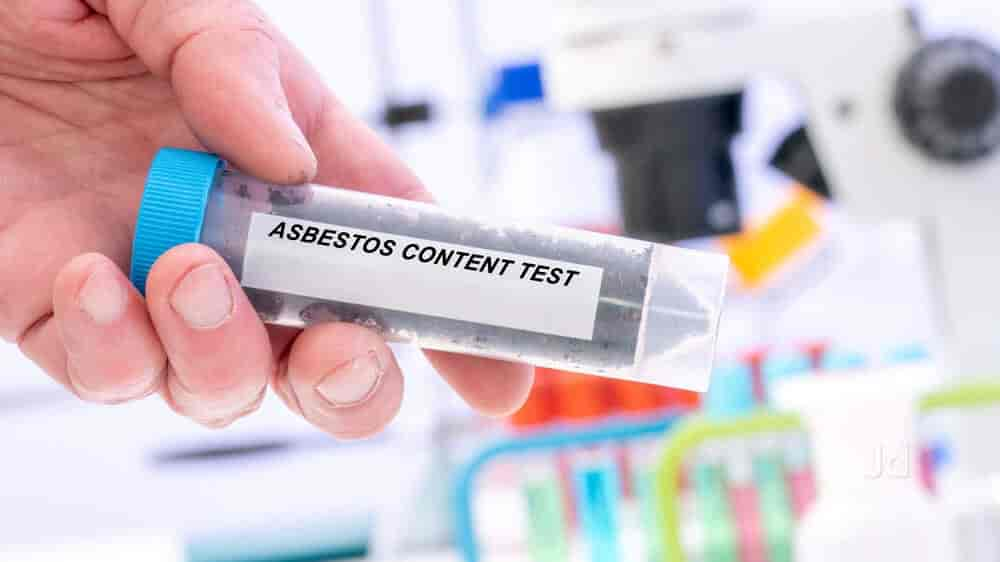
Different testing services are available to meet different needs. Understanding their differences can help property owners choose an appropriate option without confusing preliminary screening with a complete professional assessment.
1. Laboratory Testing Kits
Laboratory testing kits typically provide a way to submit a material sample for professional analysis. They may include packaging and instructions, along with a laboratory report after the sample has been examined. These products are useful for people seeking documented results, provided the laboratory uses a suitable method and follows relevant quality requirements.
Before purchasing, check whether laboratory fees, return postage, sample containers, and additional testing charges are included. It is also important to understand whether the service accepts the particular material being investigated. However, a collection kit does not make sampling safe for an untrained person. If collecting the specimen could disturb suspected asbestos, professional sampling is the safer choice.
2. Professional Asbestos Testing Services
Professional asbestos testing services can provide inspection, sampling, laboratory coordination, and recommendations based on the condition of the material. A qualified specialist can assess whether sampling is appropriate and identify precautions needed to reduce the chance of releasing fibers.
This option may be particularly useful before major renovation, demolition, or work involving insulation and other materials that could contain asbestos. Professional assessment can also help when a building has multiple suspected materials or when the condition of the material is deteriorating. Although professional services may cost more than a basic kit, the additional assessment can reduce uncertainty and help prevent unsafe handling.
Can You Collect an Asbestos Sample Yourself?
Some products are marketed for do-it-yourself sample collection, but this does not mean that collecting a sample is safe in every situation. Removing even a small piece of a suspect material can release fibers, especially if the material is brittle, damaged, friable, or layered. Fibers may become airborne and cannot be reliably detected by sight or smell.
For this reason, do not cut, scrape, drill, break, or otherwise disturb a suspected asbestos-containing material just to test it. Avoid sweeping debris or using an ordinary vacuum on suspected asbestos dust. Keep people away from the affected area if the material has been damaged, and seek advice from an appropriately qualified asbestos professional or local environmental health authority. Follow local requirements for sampling, transport, and disposal. Professional collection is generally the safer option when asbestos is suspected.
How to Choose the Right Asbestos Test Kit
Choosing a suitable product involves more than comparing its price. The testing method, laboratory credentials, sample requirements, reporting process, and intended use all matter. A low-cost kit may cover only packaging or sample submission, while laboratory analysis may be charged separately. Consumers should understand the total cost before placing an order.
Look for a service that clearly identifies the laboratory performing the analysis and explains the method used. Check whether the laboratory holds relevant accreditation for asbestos testing, such as accreditation under ISO/IEC 17025 for the applicable test. Confirm that the service can test the material in question and provides a written report. Clear instructions, transparent pricing, appropriate packaging, and access to technical support are useful indicators of a well-organized service. Avoid products that promise definitive identification based only on photographs or visual appearance.
Understanding Asbestos Test Results
A laboratory report can help determine the next step, but it needs to be interpreted in context. A result indicating that asbestos was detected confirms its presence in the submitted specimen. The report may specify the asbestos type or concentration, depending on the method used. Such findings can guide decisions about material management, renovation precautions, and the need for professional assistance.
A result showing that asbestos was not detected does not necessarily prove that the entire building is asbestos-free. The sample may not represent other areas, hidden layers, or materials installed at different times. If several materials are present, each may need separate assessment. Where the results are unclear or inconsistent with the building’s history, consult a qualified professional about further investigation. Testing identifies material composition; it does not, by itself, measure the level of airborne asbestos fibers in an occupied room.
What Should You Do If Asbestos Is Found?
Finding asbestos does not automatically mean that the material must be removed immediately. The appropriate response depends on its condition, location, likelihood of disturbance, and applicable regulations. Intact material that is unlikely to be disturbed may sometimes be managed safely in place through monitoring and appropriate maintenance arrangements.
Damaged material or material affected by planned renovation requires more careful assessment. Do not attempt to remove asbestos-containing insulation, boards, roofing, or flooring using ordinary household tools. Contact a qualified asbestos professional to discuss management, containment, repair, or removal. Where removal is necessary, it should be carried out using suitable procedures, equipment, and waste-handling arrangements. Asbestos waste must be managed according to local requirements rather than placed in ordinary household rubbish.
Health Risks Associated With Asbestos Exposure
Asbestos fibers can become airborne when asbestos-containing materials are disturbed. If inhaled, some fibers can remain in the lungs for a long time and may contribute to serious diseases, including asbestosis, lung cancer, and mesothelioma. These conditions can take many years to develop, which is one reason asbestos exposure is treated as an important occupational and environmental health concern.
Risk depends on several factors, including the amount of exposure, its duration, and the nature of the material. A suspected asbestos product should not be handled casually, even if it appears solid or harmless. Avoiding unnecessary disturbance is a key preventive measure. If a material has been accidentally damaged, leave the area undisturbed and obtain professional advice about appropriate cleanup and assessment. People concerned about a possible significant exposure should discuss their circumstances with a healthcare professional.
Common Mistakes to Avoid When Testing for Asbestos
One common mistake is assuming that the age or appearance of a material provides a definite answer. While building age can help establish whether asbestos is possible, it cannot confirm its presence or absence. Another mistake is choosing a product without checking whether professional laboratory analysis is included. Consumers may also misunderstand a result from one specimen as proof about an entire property.
Unsafe sampling is another important concern. Breaking off a piece of ceiling material, sanding an old floor covering, or drilling into a suspect panel can release hazardous fibers. Similarly, using an ordinary vacuum or dry sweeping suspected asbestos dust can spread contamination. Avoid disturbing the material, check local requirements, and seek qualified help when necessary. A reliable testing decision should prioritize safety and appropriate interpretation rather than speed alone.
Conclusion
An asbestos test kit can help property owners investigate potentially hazardous building materials, but its usefulness depends on the quality of the testing service and the way the process is managed. Laboratory analysis provides more reliable identification than visual inspection, while a professional assessment can help determine whether sampling is necessary and what precautions should be taken.
Before choosing a testing product, review the laboratory’s qualifications, the included services, and the limitations of the results. Most importantly, never disturb suspected asbestos-containing materials simply to obtain a sample. If asbestos is found, professional guidance can help determine whether the material should be monitored, protected, repaired, or removed. Careful assessment and responsible handling are essential for reducing exposure risks and maintaining a safer home or workplace.