

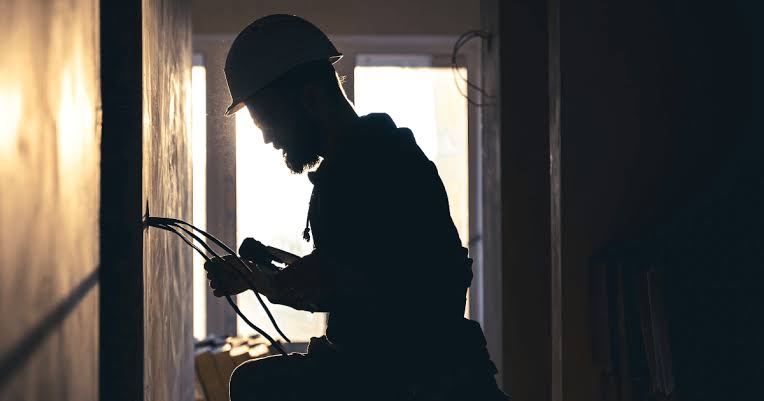
The history of electrical equipment is closely connected with the development of modern industry, construction, transportation, and household technology. From early wiring systems and switchboards to motors, generators, control panels, and sophisticated electrical infrastructure, equipment has continually changed to meet higher demands for reliability and safety. Older electrical installations can still be found in industrial buildings, commercial properties, homes, ships, power facilities, and infrastructure constructed decades ago. Understanding their history can help explain why some legacy equipment requires particular attention during inspection, maintenance, and renovation.
One important issue associated with certain older electrical products is the historical use of Asbestos in materials designed to provide heat resistance, electrical insulation, durability, or fire protection. Because asbestos fibers can become hazardous when asbestos-containing materials are damaged or disturbed, identifying potentially affected components is an important part of responsible building and equipment management. The presence of an older component does not automatically mean that it presents an immediate hazard, but it does mean that appropriate precautions may be necessary before maintenance or removal work begins.
The Historical Development of Electrical Equipment
Electrical equipment developed rapidly during the late nineteenth and early twentieth centuries as electricity became increasingly important for factories, transportation systems, public infrastructure, and residential buildings. Early electrical installations required materials capable of handling heat, electrical current, mechanical stress, and exposure to industrial environments. Engineers and manufacturers therefore relied on a wide variety of insulating and protective materials.
Switchboards, circuit breakers, electrical panels, motors, generators, transformers, wiring systems, and control equipment gradually became more sophisticated. Industrial facilities often operated equipment under demanding conditions, where heat and electrical arcing could create significant risks. Materials with strong thermal and insulating characteristics were consequently incorporated into different products and assemblies.
During some periods of electrical manufacturing, Asbestos was valued because it could withstand relatively high temperatures and resist combustion. Depending on the product and manufacturing period, asbestos-containing materials could appear in insulation, electrical components, arc-resistant materials, barriers, gaskets, and other specialized applications. However, historical use varied considerably by manufacturer, product type, country, and date.
Why Older Electrical Equipment Requires Attention
The age of electrical equipment is an important consideration when planning maintenance or renovation. A component manufactured several decades ago may contain materials that are no longer commonly used in modern products. Paints, insulation, seals, wiring coverings, boards, panels, and heat-resistant materials may all have different compositions from their contemporary equivalents.
It is therefore unwise to determine material composition simply by appearance. Two visually similar electrical components can contain completely different materials. Likewise, an old panel does not necessarily contain asbestos, while an apparently ordinary insulating component could potentially contain an asbestos-containing material. Documentation, manufacturing information, historical records, and professional assessment may be needed when the composition of a material is uncertain.
Common Historical Applications
The use of Asbestos in electrical environments was associated with its resistance to heat and its insulating characteristics. It could be incorporated into materials used around electrical equipment where protection from heat, flame, or electrical hazards was considered important. Some applications involved insulation around wires or components, while others involved barriers, boards, sleeves, or protective elements.
The following examples illustrate why historical context matters:
- Electrical insulation and heat-resistant components in older installations.
- Protective boards or barriers surrounding electrical equipment.
- Certain cables, wires, panels, or insulating materials manufactured during earlier periods.
- Gaskets, seals, and other components associated with electrical or industrial machinery.
These examples should not be treated as proof that a particular product contains asbestos. Product specifications and professional testing are more reliable than assumptions based solely on age or appearance.
Understanding Asbestos-Related Electrical Risks
The primary concern with Asbestos is the potential release of microscopic fibers when asbestos-containing materials are damaged, cut, drilled, sanded, broken, or otherwise disturbed. Intact materials that remain in good condition may pose considerably less risk than materials that are deteriorating or being mechanically disturbed. The level of risk depends on the type and condition of the material, the nature of the work, and the possibility of airborne fiber release.

Electrical maintenance can sometimes involve activities that disturb older materials. For example, replacing components may require opening panels, removing covers, drilling mounting points, accessing wiring, or dismantling insulation. If an older material is suspected to contain asbestos, workers should avoid unnecessary disturbance until its composition and condition have been properly evaluated.
Condition Matters as Much as Age
A common misconception is that every old electrical component is automatically dangerous. Age alone does not determine the level of exposure risk. The physical condition of a material and the activities being performed around it are equally important.
A sealed or undisturbed material can behave very differently from a deteriorating material that produces dust when handled. Similarly, routine visual inspection may create little disturbance, while aggressive removal or cutting could create a substantially different situation. This is why risk assessment should consider both the material and the planned work.
Electrical Equipment and Workplace Safety
Industrial facilities often contain layers of electrical equipment installed at different times. A factory may have a modern control system connected to older switchgear, legacy wiring, or equipment enclosures. During upgrades, contractors can encounter materials that were installed long before current workplace practices and product standards were established.
A structured safety process can reduce uncertainty. Before beginning intrusive work, facility managers should review available drawings, maintenance records, equipment manuals, refurbishment histories, and previous material assessments. Where documentation does not establish the composition of a suspect material, a qualified professional can determine whether additional assessment or testing is appropriate.
Workers should also understand that electrical safety and material safety are separate but overlapping concerns. De-energizing equipment protects workers from electrical hazards, but it does not by itself address potential exposure from disturbed building or equipment materials. Both risks need to be considered during maintenance planning.
Recognizing Potentially Affected Materials
Identifying historical asbestos-containing materials can be challenging because asbestos may have been incorporated into products in ways that are not obvious. Some materials may look fibrous, while others can resemble ordinary boards, insulation, seals, or molded components. Visual identification alone is generally insufficient for confirming composition.
The safest approach is to treat an unidentified material cautiously when there is a credible reason to suspect historical asbestos use. Instead of disturbing the material to determine what it is, organizations can consult relevant records and qualified professionals. Sampling, where required, should be performed using appropriate procedures by competent personnel.
| Electrical Equipment or Material | Historical Concern | Appropriate Consideration |
|---|---|---|
| Older switchboards | Insulating or heat-resistant components | Review records before intrusive maintenance |
| Electrical wiring | Historical insulation materials | Avoid disturbing unidentified insulation |
| Control panels | Boards, barriers, or component insulation | Assess suspect materials before alteration |
| Motors and generators | Insulation, seals, or heat-resistant parts | Check equipment history during refurbishment |
| Older industrial equipment | Mixed legacy materials | Consider a broader material assessment |
Modern Safety Practices for Older Equipment
Modern maintenance programs increasingly emphasize planned risk assessment rather than relying on assumptions. When an older electrical installation is scheduled for renovation, organizations can identify equipment age, determine which components will be disturbed, and review known hazardous-material information before work begins.
If Asbestos is suspected, unnecessary handling should be avoided until the situation has been assessed. Depending on local requirements and the material’s condition, options may include leaving an intact material undisturbed, managing it in place, repairing it using an appropriate method, or arranging controlled removal by qualified professionals.
Managing Maintenance and Renovation Work
Maintenance teams should communicate clearly about the age and condition of electrical equipment before starting work. Contractors who are unfamiliar with a building’s history may not recognize why a particular material requires additional precautions. Clear documentation can therefore be valuable during project planning.
Good preparation can include reviewing previous surveys, marking known suspect materials, communicating restrictions to contractors, and establishing procedures for unexpected discoveries. If an unknown material is encountered during work, stopping the relevant activity and seeking professional advice can prevent unnecessary disturbance.
The Importance of Historical Documentation
Historical records can provide valuable clues about electrical equipment and materials. Manufacturer catalogs, equipment specifications, construction documents, previous inspection reports, renovation records, and maintenance logs can help establish when and how a particular component was installed.
However, documentation should be interpreted carefully. A general equipment model number may not reveal every material used in an individual installation, especially where components were replaced or modified over time. A building may also contain equipment from several different manufacturing periods. Combining documentary evidence with professional assessment provides a stronger basis for safety decisions.
How Technology Is Changing Electrical Safety
Modern electrical maintenance increasingly uses digital records, condition monitoring, thermal imaging, remote inspection tools, and asset-management systems. These technologies can help organizations understand the condition and history of electrical assets while reducing unnecessary physical intervention.
Digital asset registers can record installation dates, maintenance activities, component replacements, inspection results, and material assessments. Over time, this creates a more complete history of each asset. When renovation is eventually required, maintenance teams have more information available before they begin dismantling equipment.
Technology does not eliminate the need for specialist assessment where hazardous materials may be present. Instead, it supports better planning by helping organizations understand what equipment exists, where it is located, and what work has previously been performed.
What Building Owners and Facility Managers Should Consider
Building owners have an important role in managing older electrical infrastructure. A responsible program should consider both immediate safety and long-term asset planning. Replacing outdated equipment may improve reliability, but the removal process itself needs to be planned carefully when historical materials could be present.
Useful planning measures include:
- Maintaining accurate records of equipment age and modifications.
- Reviewing hazardous-material information before renovation.
- Training relevant workers to recognize potential hazards.
- Using qualified specialists when suspect materials require assessment or removal.
These measures can make electrical maintenance more predictable while reducing the possibility of accidental disturbance.
The Difference Between Presence and Exposure
The presence of asbestos-containing material and exposure to asbestos fibers are not identical concepts. A material may contain asbestos without releasing significant fibers under normal conditions. Risk can change when the material becomes damaged or when work activities generate dust.
This distinction is particularly important for older electrical equipment because some components may remain enclosed or protected for many years. Instead of automatically removing every old material, responsible management considers its condition, location, accessibility, and likelihood of disturbance. Decisions should follow applicable regulations and professional risk assessment.
Looking at Electrical Equipment Through a Historical Lens
Understanding the history of electrical equipment helps explain why certain materials were selected by earlier manufacturers. Engineering priorities have changed over time as scientific knowledge, workplace regulations, manufacturing processes, and material technologies have developed.
The historical use of Asbestos demonstrates this transition clearly. A material once valued for particular engineering properties can later become a significant occupational-health consideration. Modern engineers and facility managers therefore need to look beyond the original purpose of a material and consider its present-day implications.
This historical perspective is also useful when renovating older buildings. Rather than treating legacy equipment as simply outdated hardware, professionals can regard it as a combination of electrical, mechanical, and material considerations. That approach encourages better planning and safer modernization.
Conclusion
The evolution of electrical equipment reflects more than technological progress; it also demonstrates how safety knowledge and material standards have changed. Older switchboards, wiring systems, motors, generators, control panels, and industrial equipment may contain materials that require additional attention during maintenance or renovation. Historical use of Asbestos in some electrical applications makes careful assessment particularly important where older components are present.