

Introduction
Many people have heard about asbestos and its serious health risks, but one common question still remains: what does asbestos look like? The answer is not always simple because asbestos can appear in many different forms, colors, and textures. In homes, schools, factories, and commercial buildings, asbestos was widely used for decades because of its strength, heat resistance, and insulation properties.
The challenge is that asbestos is often difficult to identify with the naked eye. It may look harmless, blending into roofing sheets, floor tiles, insulation, cement, or textured walls. This hidden danger is why understanding its appearance is important for homeowners, contractors, and anyone living in older buildings.
In this detailed guide, you will learn how asbestos looks in different materials, the common places where it is found, the different asbestos types, and the signs that may indicate asbestos contamination. You will also discover why professional testing is necessary and how to stay safe around suspected asbestos materials.
As awareness around environmental health continues to grow, platforms like WebInbound com often discuss home safety, construction awareness, and health-related concerns. Understanding asbestos identification can help protect your family and workplace from long-term exposure risks.
Understanding Asbestos
Asbestos is a naturally occurring mineral made up of tiny fibers. These fibers are resistant to heat, chemicals, and electricity, making asbestos highly popular in construction and industrial products during the 20th century.
The material was widely used in:
- Roofing products
- Cement sheets
- Pipe insulation
- Floor tiles
- Ceiling materials
- Brake pads
- Industrial equipment
- Fireproof coatings
Although many countries now regulate or ban asbestos use, older structures may still contain asbestos-containing materials.
What Does Raw Asbestos Look Like?
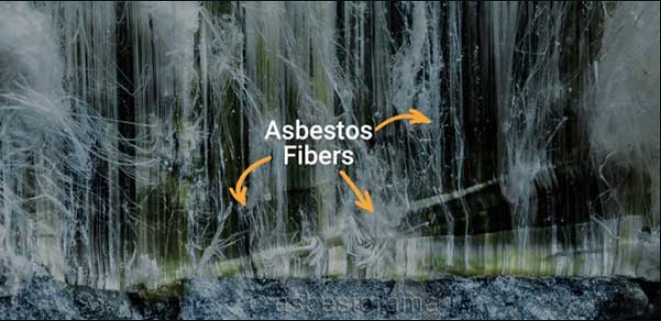
Raw asbestos in its natural state resembles fibrous rock formations. The fibers can look soft, silky, fluffy, or stringy depending on the type of asbestos mineral.
The appearance varies based on the specific asbestos category.
Common Physical Characteristics
Raw asbestos often appears as:
- Fine fibers
- Hair-like strands
- Fuzzy texture
- Powdery material
- Crystalline fibers
- Soft or brittle surfaces
The fibers are microscopic, meaning they are difficult to see individually without magnification.
Types of Asbestos and Their Appearance
There are six primary types of asbestos minerals. Each has unique visual characteristics.
| Type of Asbestos | Color | Texture | Common Uses |
|---|---|---|---|
| Chrysotile | White or gray | Soft and curly | Insulation, roofing, ceilings |
| Amosite | Brown | Straight and brittle | Cement sheets, insulation boards |
| Crocidolite | Blue | Thin and sharp | Pipe insulation, spray coatings |
| Tremolite | White to green | Needle-like | Contaminated talc products |
| Anthophyllite | Brownish-gray | Fibrous | Construction materials |
| Actinolite | Green | Brittle fibers | Industrial insulation |
What Does White Asbestos Look Like?
White asbestos, also known as chrysotile, is the most common type. It usually appears:
- White
- Grayish-white
- Silky
- Flexible
- Curly or spiral-shaped
It often resembles soft cotton or fluffy insulation material. White asbestos was commonly used in ceilings, roofing, insulation, and walls.
Because it blends easily with cement and construction products, it can be very difficult to recognize without laboratory testing.
What Does Brown Asbestos Look Like?
Brown asbestos, called amosite, has a rougher appearance compared to white asbestos.
Characteristics include:
- Brown coloration
- Straight fibers
- Coarse texture
- Brittle structure
This type was commonly used in thermal insulation boards and cement products.
What Does Blue Asbestos Look Like?
Blue asbestos, or crocidolite, is considered one of the most dangerous forms due to its thin fibers.
Its appearance includes:
- Bluish tone
- Sharp needle-like fibers
- Fine texture
- Brittle consistency
Blue asbestos was often used in industrial insulation and spray coatings.
What Does Asbestos Insulation Look Like?
One of the most recognizable asbestos products is insulation material.
Asbestos insulation may appear:
- Fluffy
- Powdery
- Fibrous
- Gray or white
- Loose around pipes
- Wrapped around boilers
Older pipe insulation sometimes resembles white plaster or cloth wrapping. Damaged insulation may release dangerous fibers into the air.
What Does Asbestos Ceiling Material Look Like?
Older ceilings frequently contained asbestos.
Common asbestos ceiling materials include:
Popcorn Ceilings
These ceilings have:
- Bumpy texture
- Spray-on appearance
- White or cream color
Many homes built before the 1980s used asbestos in textured ceiling coatings.
Ceiling Tiles
Asbestos ceiling tiles may look:
- Flat and square
- White, gray, or speckled
- Fibrous on broken edges
What Does Asbestos Flooring Look Like?
Asbestos was heavily used in flooring products because of its durability.
Vinyl Floor Tiles
These often appear:
- Hard and thin
- Nine-inch or twelve-inch squares
- Patterned or marble-style
Older black adhesive beneath the tiles may also contain asbestos.
Sheet Flooring
Asbestos sheet flooring can resemble modern linoleum but often has a paper-like backing that contains fibers.
What Does Asbestos Roofing Look Like?
Roofing materials were another common asbestos application.
Asbestos roofing may appear:
- Corrugated cement sheets
- Gray concrete panels
- Flat shingles
- Wavy roof boards
These materials are common in garages, sheds, factories, and older homes.
The danger increases when roofing becomes cracked or damaged.
What Does Asbestos Cement Look Like?
Asbestos cement products are among the hardest to identify visually.
They often look like ordinary cement but may contain embedded fibers.
Common asbestos cement materials include:
- Water tanks
- Pipes
- Roofing sheets
- Wall panels
- Fence boards
The surface usually appears rough and dense.
Can You Identify Asbestos by Sight Alone?
The simple answer is no.
Although certain materials may look suspicious, asbestos cannot be confirmed by appearance alone. Many non-asbestos products resemble asbestos-containing materials.
Only laboratory testing can confirm asbestos presence.
This is important because disturbing asbestos materials can release microscopic fibers into the air.
Common Places Where Asbestos Is Found
Older properties built before the 1990s may still contain asbestos in hidden areas.
Residential Locations
Common household asbestos locations include:
- Attics
- Basements
- Roofing
- Pipe insulation
- Wall insulation
- Vinyl flooring
- Ceiling textures
- HVAC ducts
Commercial Buildings
In commercial structures, asbestos may be present in:
- Boiler rooms
- Industrial insulation
- Fireproof coatings
- Ceiling panels
- Electrical systems
Why Asbestos Is Dangerous
Asbestos becomes dangerous when fibers become airborne and are inhaled.
Once inhaled, the fibers can remain in the lungs for years, causing severe health problems.
Major Health Risks
Exposure may lead to:
- Lung cancer
- Mesothelioma
- Asbestosis
- Chronic respiratory disease
The risk increases with repeated exposure over long periods.
Signs of Damaged Asbestos Materials
Asbestos materials become especially hazardous when damaged.
Warning signs include:
- Crumbling surfaces
- Broken tiles
- Powdery debris
- Frayed insulation
- Cracked cement sheets
- Dust around old materials
If you notice these conditions, avoid touching the area.
How Professionals Test for Asbestos
Professional asbestos inspectors use specialized methods to identify asbestos safely.
Inspection Process
Typical testing involves:
- Visual inspection
- Sample collection
- Laboratory analysis
- Risk assessment
Testing laboratories use microscopes to identify asbestos fibers accurately.
What to Do If You Suspect Asbestos
If you believe a material contains asbestos:
- Do not cut or drill it
- Avoid sanding the surface
- Keep children and pets away
- Contact certified asbestos professionals
- Avoid cleaning debris with household vacuums
Disturbing asbestos is often more dangerous than leaving it undisturbed.
Can Asbestos Be Safely Removed?
Yes, but removal should only be done by trained professionals.
Asbestos removal experts use:
- Protective clothing
- Air filtration systems
- Containment barriers
- Specialized disposal procedures
Improper removal can spread fibers throughout a building.
How Old Homes Commonly Hide Asbestos
Many homeowners are surprised to learn how many building materials once contained asbestos.
Frequently Overlooked Areas
Asbestos may hide inside:
- Cement siding
- Old heating systems
- Electrical insulation
- Roof underlayment
- Decorative wall coatings
Homes built before the 1980s have a higher risk of containing asbestos products.
Difference Between Mold and Asbestos
People often confuse asbestos with mold because both may appear in older buildings.
Mold Appearance
Mold usually appears:
- Fuzzy
- Green
- Black
- Wet or slimy
Asbestos Appearance
Asbestos tends to look:
- Fibrous
- Dry
- Gray or white
- Embedded within materials
Unlike mold, asbestos fibers are microscopic.
Industries Most Affected by Asbestos Exposure
Workers in certain industries historically faced higher asbestos exposure risks.
These include:
- Construction
- Shipbuilding
- Manufacturing
- Automotive repair
- Mining
- Firefighting
Protective regulations have improved safety, but older buildings still pose risks today.
Modern Alternatives to Asbestos
Today, safer materials have replaced asbestos in most products.
Common alternatives include:
- Fiberglass insulation
- Cellulose fiber
- Polyurethane foam
- Mineral wool
- Thermoset plastic compounds
These materials offer insulation without the same long-term health hazards.
Legal Regulations Around Asbestos
Many countries regulate asbestos handling strictly.
Rules often require:
- Professional inspections
- Licensed removal contractors
- Safe disposal methods
- Worker protection standards
Improper asbestos handling may lead to legal penalties and serious health consequences.
Myths About Asbestos Appearance
There are many misconceptions about how asbestos looks.
Myth 1: Asbestos Is Always White
False. Asbestos can be blue, brown, green, gray, or white.
Myth 2: You Can Smell Asbestos
False. Asbestos has no smell.
Myth 3: All Old Materials Contain Asbestos
False. Some older materials are asbestos-free.
Myth 4: Solid Asbestos Is Safe Forever
False. Aging materials may deteriorate and release fibers.
How to Stay Safe Around Potential Asbestos
Safety precautions are essential if you suspect asbestos.
Recommended Safety Steps
- Never disturb suspicious materials
- Wear protective equipment if near damaged materials
- Hire certified inspectors
- Seal damaged areas temporarily
- Follow local asbestos laws
Awareness and caution significantly reduce exposure risk.
The Importance of Professional Inspection
Professional asbestos inspectors can identify hidden risks that homeowners may miss.
Benefits include:
- Accurate testing
- Safe sampling
- Risk evaluation
- Proper removal planning
This helps prevent accidental exposure during renovation or demolition projects.
WebInbound com frequently highlights the importance of informed home maintenance and safety awareness. Understanding asbestos identification is part of responsible property management.
Renovation Risks and Asbestos Exposure
Home renovation projects often uncover hidden asbestos materials.
Activities that may release fibers include:
- Drilling walls
- Removing flooring
- Tearing down ceilings
- Demolishing insulation
- Sanding old surfaces
Before renovating older buildings, professional asbestos testing is highly recommended.
Environmental Impact of Asbestos
Improper asbestos disposal can contaminate the environment.
Airborne fibers may spread through:
- Construction waste
- Illegal dumping
- Damaged roofing
- Natural disasters
Responsible disposal practices protect communities and ecosystems.
How Asbestos Fibers Behave
One reason asbestos is dangerous is because the fibers are extremely small and lightweight.
They can:
- Float in the air for hours
- Enter ventilation systems
- Settle on surfaces
- Be inhaled unknowingly
These microscopic fibers are invisible to the human eye.
Understanding Friable and Non-Friable Asbestos
Friable Asbestos
Friable asbestos crumbles easily and releases fibers quickly.
Examples include:
- Spray insulation
- Pipe wrapping
- Loose-fill insulation
Non-Friable Asbestos
Non-friable asbestos is more solid and stable.
Examples include:
- Floor tiles
- Cement sheets
- Roofing panels
Even non-friable asbestos becomes dangerous when cut or broken.
Why Asbestos Was So Popular
For decades, asbestos was considered a miracle material because it offered:
- Fire resistance
- Durability
- Sound insulation
- Heat protection
- Chemical resistance
Unfortunately, its health dangers became more widely understood later.
Future Awareness and Public Education
Public education about asbestos remains important because many old buildings still contain asbestos materials.
People should learn:
- How asbestos appears
- Where it may exist
- How exposure occurs
- When to seek professional help
Awareness helps prevent accidental exposure during repairs or renovations.
WebInbound com and similar informational platforms continue to encourage readers to stay informed about environmental and construction-related health hazards.
Conclusion
Understanding what asbestos looks like is an important step toward protecting yourself and others from potential exposure. However, asbestos is difficult to identify visually because it appears in many forms, textures, and colors. It may resemble harmless insulation, cement, flooring, or roofing materials found in older homes and commercial buildings.
White asbestos often appears soft and fibrous, brown asbestos looks coarse and brittle, while blue asbestos contains sharp needle-like fibers. Yet despite these visual clues, laboratory testing remains the only reliable way to confirm asbestos presence.
The greatest danger occurs when asbestos-containing materials become damaged or disturbed, releasing microscopic fibers into the air. Long-term exposure may lead to severe illnesses, including lung disease and mesothelioma. This is why safety precautions and professional inspections are critical.
If you suspect asbestos in your home or workplace, avoid touching or disturbing the material. Seek guidance from licensed asbestos professionals who can inspect, test, and safely manage the situation.
As buildings age and renovation projects increase, awareness about asbestos remains highly relevant. Learning how asbestos may appear, where it is commonly found, and how to respond safely can help reduce risks and create healthier living environments for everyone.