

Introduction
Asbestos was once widely celebrated as a miracle material because of its durability, fire resistance, and insulating properties. It was used in construction, automotive parts, roofing materials, insulation, and many other applications. However, over time, it became clear that exposure to asbestos fibers poses serious health risks, including respiratory diseases and life-threatening conditions. This realization led to stricter regulations and a growing demand for safe handling and removal practices.
This is where asbestos abatement becomes essential. It refers to the process of identifying, containing, and safely removing asbestos-containing materials from buildings or environments. Whether in residential homes, commercial buildings, or industrial facilities, proper management of asbestos is critical to prevent exposure and ensure safety.
In this comprehensive guide, you will learn everything about asbestos abatement, including its importance, methods, safety procedures, costs, and legal requirements. By the end, you will have a clear understanding of how this process protects both people and the environment.
What Is Asbestos Abatement?
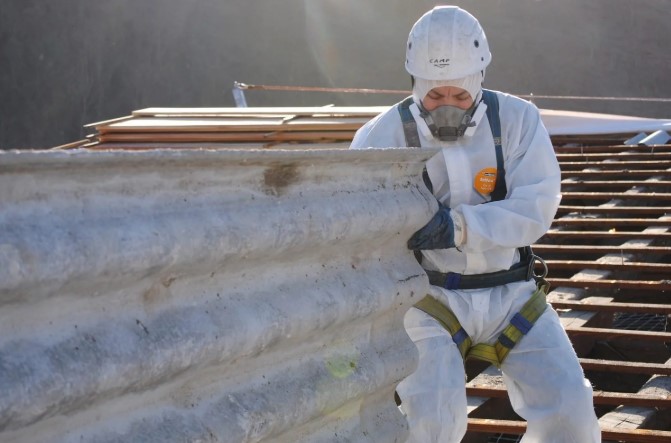
Asbestos abatement is a controlled procedure designed to eliminate or reduce asbestos hazards in a structure. It involves trained professionals who follow strict safety guidelines to prevent the release of harmful fibers into the air. The process does not always mean complete removal; it can also include encapsulation or enclosure depending on the condition of the material.
The goal of asbestos abatement is to minimize exposure risk. When asbestos-containing materials are disturbed, tiny fibers become airborne and can be inhaled. These fibers remain in the lungs and may cause serious health issues over time.
Why Asbestos Is Dangerous
Understanding the dangers of asbestos is crucial to appreciating the importance of asbestos abatement. When materials containing asbestos are intact and undisturbed, they may not pose an immediate threat. However, once they are damaged, cut, drilled, or deteriorated, they release microscopic fibers into the air.
Health Risks Associated with Asbestos
- Lung cancer
- Mesothelioma
- Asbestosis
- Chronic respiratory problems
These diseases often take years or even decades to develop, making early prevention through asbestos abatement extremely important.
Common Places Where Asbestos Is Found
Asbestos was used extensively in construction materials before regulations were introduced. Many older buildings still contain asbestos in various forms.
Common Materials Containing Asbestos
- Roofing sheets and shingles
- Insulation around pipes and boilers
- Floor tiles and adhesives
- Cement products
- Ceiling tiles
- Wall panels
If your property was built before the 1990s, there is a significant chance that it contains asbestos materials that may require asbestos abatement.
Types of Asbestos Abatement Methods
Different situations require different approaches. The method used depends on the condition, location, and type of asbestos material.
1. Removal
This is the most thorough method and involves completely removing asbestos materials from a structure. It is often necessary during renovations or demolitions.
2. Encapsulation
In this method, a special sealant is applied to asbestos-containing materials to prevent fibers from being released. It is a cost-effective alternative when removal is not required.
3. Enclosure
This involves constructing a barrier around asbestos materials to isolate them from the environment. It is commonly used for pipes or insulation.
4. Repair
Damaged asbestos materials can sometimes be repaired rather than removed, reducing the risk of fiber release.
Each method of asbestos abatement is chosen based on safety considerations and long-term effectiveness.
Step-by-Step Asbestos Abatement Process
A professional asbestos abatement project follows a systematic approach to ensure safety and compliance.
Inspection and Testing
The first step is identifying asbestos-containing materials through inspection and laboratory testing.
Planning
A detailed plan is created outlining the scope of work, safety measures, and disposal procedures.
Containment
The affected area is sealed using plastic barriers and negative air pressure systems to prevent contamination.
Removal or Treatment
Trained professionals carefully remove or treat asbestos materials using specialized equipment.
Cleaning
The area is thoroughly cleaned using HEPA vacuums and wet wiping methods.
Air Monitoring
Air quality is tested to ensure no asbestos fibers remain.
Disposal
All asbestos waste is sealed and disposed of according to legal regulations.
This structured process ensures that asbestos abatement is carried out safely and effectively.
Safety Measures During Asbestos Abatement
Safety is the top priority during asbestos abatement. Professionals follow strict protocols to minimize risks.
Personal Protective Equipment (PPE)
- Respirators
- Protective suits
- Gloves and goggles
Worksite Safety Practices
- Sealing work areas
- Using wet methods to reduce dust
- Proper ventilation systems
- Restricted access to contaminated zones
These measures ensure that workers and occupants are protected throughout the asbestos abatement process.
Cost of Asbestos Abatement
The cost of asbestos abatement varies depending on several factors, including the size of the area, type of material, and complexity of the project.
Estimated Cost Table
| Factor | Cost Range (Approximate) |
|---|---|
| Inspection and Testing | Moderate |
| Small Area Removal | Moderate to High |
| Large Scale Removal | High |
| Encapsulation | Lower than removal |
| Disposal Fees | Moderate |
While asbestos abatement may seem expensive, it is a necessary investment in health and safety.
Regulations and Legal Requirements
Governments around the world have established strict regulations regarding asbestos handling and removal. These rules ensure that asbestos abatement is carried out safely and responsibly.
Key Legal Aspects
- Only licensed professionals can perform asbestos abatement
- Proper permits may be required
- Safe disposal procedures must be followed
- Air quality standards must be met
Failing to comply with these regulations can result in severe penalties and health risks.
When Do You Need Asbestos Abatement?
Not all asbestos-containing materials require immediate action. However, certain situations make asbestos abatement necessary.
Situations That Require Action
- Renovation or demolition projects
- Visible damage to asbestos materials
- Air quality concerns
- Health complaints related to exposure
If you suspect asbestos in your property, it is best to consult professionals for an assessment.
DIY vs Professional Asbestos Abatement
Attempting to handle asbestos on your own is not recommended. Without proper training and equipment, it can lead to serious health risks.
Risks of DIY Removal
- Exposure to toxic fibers
- Improper disposal
- Legal consequences
Benefits of Hiring Professionals
- Certified expertise
- Advanced safety equipment
- Compliance with regulations
- Efficient and thorough work
Professional asbestos abatement ensures that the job is done safely and correctly.
Environmental Impact of Asbestos
Improper handling of asbestos can harm not only humans but also the environment. Fibers can contaminate soil, water, and air, leading to long-term ecological damage.
Proper asbestos abatement includes environmentally responsible disposal methods, ensuring that hazardous materials do not affect surrounding ecosystems.
Preventing Asbestos Exposure
Prevention is always better than cure. Taking proactive measures can reduce the need for extensive asbestos abatement.
Prevention Tips
- Avoid disturbing old building materials
- Conduct regular inspections
- Hire professionals for renovations
- Use protective measures in high-risk areas
These steps can help minimize exposure and maintain a safe environment.
Choosing the Right Asbestos Abatement Contractor
Selecting a qualified contractor is crucial for a successful project.
What to Look For
- Proper licensing and certification
- Experience in asbestos abatement
- Positive customer reviews
- Clear pricing and documentation
A reliable contractor ensures that all safety and legal standards are met.
Future of Asbestos Management
As awareness continues to grow, safer alternatives to asbestos are being used in construction and manufacturing. Advances in technology are also improving asbestos abatement techniques, making them more efficient and less invasive.
Governments and organizations are working toward stricter regulations and better public education to eliminate asbestos-related risks entirely.
Conclusion
Asbestos remains a significant concern in many older buildings, posing serious health risks if not handled properly. Understanding the importance of asbestos abatement is essential for protecting yourself, your family, and your community. From identifying hazardous materials to implementing safe removal methods, every step in the process plays a vital role in ensuring a healthy environment.
Professional asbestos abatement is not just about compliance with regulations; it is about safeguarding lives. Whether you are planning a renovation, managing a property, or simply ensuring safety, taking the right approach to asbestos management can make all the difference.
Investing in proper asbestos abatement today helps prevent long-term health issues and environmental damage. By staying informed and working with qualified professionals, you can create safer living and working spaces for years to come.